


 chargement...


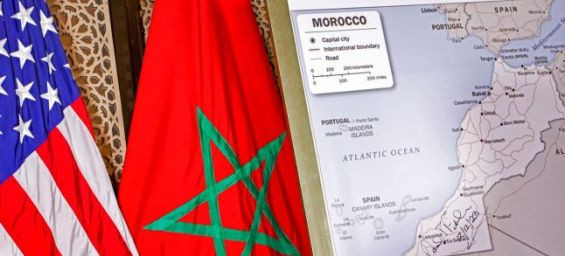
In 2020, during his first term, President Donald Trump recognized Morocco’s sovereignty over the Sahara. This historic move came with a key promise: the opening of a U.S. consulate in Dakhla.
That promise has yet to materialize. However, strong signs suggest it could come to fruition during Trump’s current second term—at least according to U.S. foreign policy expert Michael Walsh.
In a recent article titled «Will Morocco Foot the Bill for New U.S. Consulate in Dakhla?», Walsh argues that «there are powerful reasons for the U.S. Government to finally follow through on that commitment».
He outlines four compelling reasons why this promise should be honored :
1- Reciprocity : Failure to uphold U.S. commitments could give Rabat valid grounds to delay or reconsider its own obligations in the future.
2- Trustworthiness : Skipping the Dakhla consulate would undermine the United States’ credibility as a reliable mediator, particularly as it seeks to expand the Abraham Accords to new countries.
3- Domestic politics : The Abraham Accords are widely seen as one of the Trump Administration’s signature foreign policy achievements. Leaving promises unfulfilled could weaken that legacy and provoke political backlash at home.
4- Power projection : A U.S. consulate in Dakhla could serve as a strategic outpost for expanding diplomatic and economic influence across the Sahel region and beyond.
Still, Walsh acknowledges a significant obstacle: cost. The Trump Administration is committed to slashing non-defense discretionary spending. Opening a new consulate would require funding that runs counter to this fiscal policy, creating a contradiction in priorities.
Walsh concludes that the realization of the Dakhla consulate may ultimately depend on whether key allies—namely Israel or Morocco—are willing to help shoulder the financial burden.