


 chargement...


The Global Financial Inclusion Index 2025, published by the World Bank Group, reveals that the number of adults in low- and middle-income countries with access to bank or other financial accounts has reached an all-time high, boosting formal savings rates across the board.
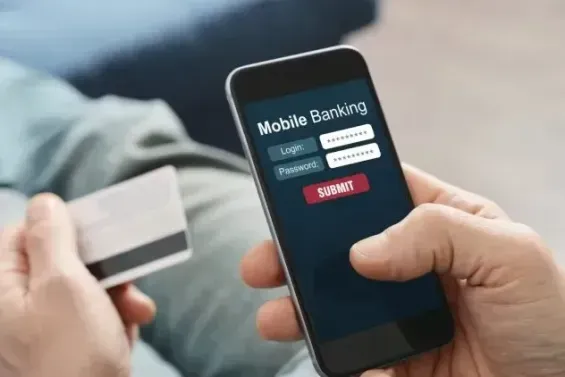
This momentum in financial inclusion is largely driven by mobile phone technology, which continues to open up new economic opportunities. In developing economies, 10% of adults now use mobile money accounts to save, up from 5% in 2021.
In the case of Morocco, the report notes a gender gap in mobile phone ownership: 87% of women own mobile phones, compared to 93% of men. It also highlights that 40% of Moroccan mobile phone users have SIM cards not registered in their own names, raising concerns about digital identity and access.
Regarding the experience of receiving government or private sector payments, 10% of Moroccan adults reported paying higher-than-expected fees when accessing their funds. The report suggests that such fees may reflect confusion about account usage rules or a lack of awareness of alternative options, underscoring the need for clearer regulations, better service provider practices, and enhanced financial literacy.
Overall, the report finds that in 2024, 44% of Moroccan adults had a bank account, while 32% made or received digital payments. However, only 6% managed to save, just 1% borrowed, and while 90% owned mobile phones, only 65% had internet access.