


 chargement...


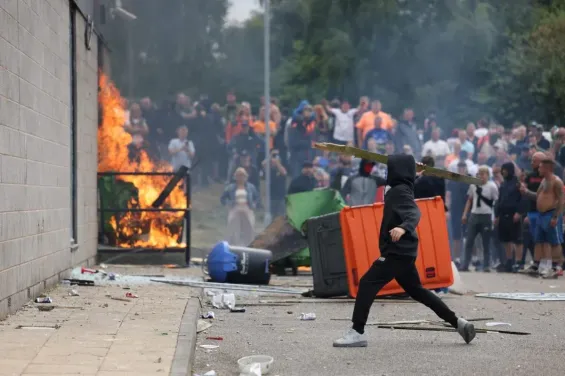
One year after the xenophobic and Islamophobic riots in Southport, UK, Amnesty International has turned the spotlight on the role of social media, particularly X (formerly known as Twitter), in fueling the unrest. The NGO, drawing from an analysis of X's open-source recommendation algorithm, highlighted this Wednesday how X's «design and policy choices» prioritized «controversial engagement over safety».
The turmoil began with a tragic incident on July 29, 2024, when a triple murder took place at a children's dance class. Victims Alice Dasilva Aguiar, Bebe King, and Elsie Dot Stancombe lost their lives, and 10 others were injured. Quickly, false claims about the suspect's identity, religion, and immigration status spread like wildfire. The suspect was later identified as Axel Rudakubana, a 17-year-old British-born individual. Nonetheless, misinformation flourished on X, leading to attacks on asylum seekers' accommodations in the aftermath.
Despite police efforts to clarify the suspect's identity, far-right protesters persisted with their riots. According to Amnesty International, «X’s algorithmic ranking system, revealed in X’s own source code published in March 2023, reveals that falsehoods, irrespective of their harmfulness, may be prioritised and surface more quickly in timelines than verified information». As long as a post generates engagement and isn't widely reported, the algorithm promotes it without thoroughly assessing its potential harm.
The NGO further notes that «these design features provided fertile ground for inflammatory racist narratives to thrive on X in the wake of the Southport attack». They even attribute direct responsibility to the platform's new owner, Elon Musk, who «amplified the false narratives that were exchanged regarding the Southport attack» through his remarks. The analysis also highlighted the involvement of Tommy Robinson, co-founder of the English Defence League (EDL), who incited the riots in the same context. In October 2024, Robinson was sentenced to eighteen months in prison in another case.
Meanwhile, British Prime Minister Keir Starmer has called for measures to protect groups targeted by attacks on mosques, refugee centers, and Asian, Black, and Muslim communities. In the wake of the Southport riots, the British government vowed to take a tough stance against «keyboard warriors».
Amnesty International also criticized «X's inability to prevent or adequately mitigate these foreseeable risks». Since then, several users in the UK have faced charges of «incitement to violence» or «dissemination of malicious false information», with some already convicted. Last July, a parliamentary report identified the economic models of social networks as key drivers of misinformation in this context.