

 chargement...


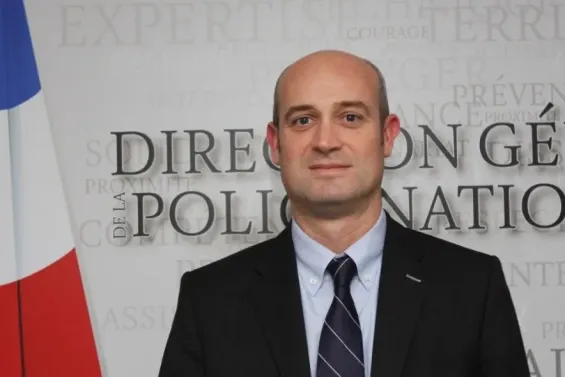
A few months after launching an inquiry commission supposedly aimed at uncovering hypothetical links between La France Insoumise (LFI) and Islamist groups, Les Républicains now face a witness who dismantles their initial premise. On October 29, Hugues Bricq, director of intelligence at the Paris Police Prefecture, was heard discreetly, far from media spotlight. His testimony, eagerly awaited by the commission’s instigators, took an unexpected turn.
From the very first questions, the gap between the political framing of the MPs and the reality observed by the intelligence services became evident. Asked by RN MP Jérôme Buisson about potential ties between «far-left groups» and Islamist movements, the Paris intelligence chief responded bluntly: «No, very few».
He explained that while the far-left sometimes attempts to attract young people from working-class neighborhoods, it has had little success. He also highlighted the complete absence of these groups during recent urban riots and in phenomena linked to Islamist radicalization. In short, intelligence services have identified no overlap whatsoever.
The only connection observed, he added, goes in a direction the commission’s promoters had not anticipated: a segment of the negationist far-right allegedly maintains ideological affinities, through anti-Semitism, with certain Islamists or preachers based abroad. A paradoxical but documented convergence.
This analytical perspective directly contradicts the claims made just days earlier in the same commission. The rapporteur, Matthieu Bloch (LR), had referenced hearings with authors and essayists asserting the existence of «close, extremely dangerous ties» between Islamist organizations and French left-wing political groups, claims supposedly illustrated by pro-Palestine demonstrations where elected officials appeared alongside associations deemed ambiguous.
But Hugues Bricq held firm. He stressed that intelligence services monitor radicalized individuals and groups, not political life. And this monitoring, sometimes intrusive, has uncovered no collusion between left-wing political figures and terrorist actors: «There are no documented links between the objectives we pursue and any elected officials or parties».
Without directly commenting on the works of the essayists cited by the MPs, he hinted that these authors «place themselves in a political sphere», suggesting interpretations that are more activist than factual. A subtle reminder of the distinction between intelligence work and ideological narratives.