


 chargement...


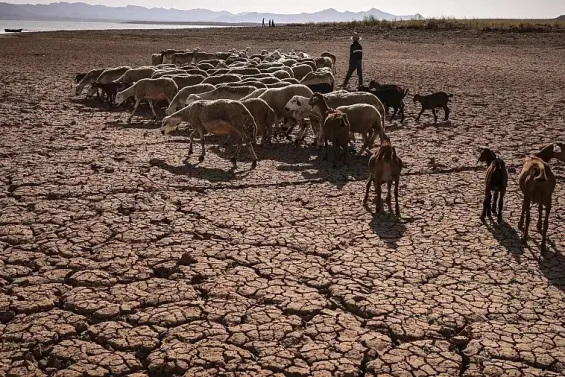
Morocco’s agriculture sector has been severely affected by extreme climate conditions between 2022 and 2024, according to a recent report by the UN’s Food and Agriculture Organization (FAO) and the World Meteorological Organization (WMO).
The report, titled «Extreme heat and agriculture», highlights how the frequency, intensity, and duration of extreme heat events have risen sharply over the past half century, with growing impacts on agrifood systems and landscapes. In the case of Morocco, it underscores the vulnerability of the country’s interconnected natural ecosystems and agricultural systems to intensifying climate extremes, citing the 2022–2024 period as the «most challenging in recent history».
During that period, the country faced a prolonged six-year drought alongside repeated heatwaves, including an «exceptional 11-day heatwave in March 2023» and a «10-day event in July 2024», with temperatures frequently exceeding 40°C.
The combined effects of «extreme heat and water scarcity» led to significant agricultural losses. Cereal yields dropped by 43% in 2023–2024 to a historic low, while wheat production fell to «its lowest level in over 15 years». High-value crops were also affected, as heatwaves caused «fruit drop and reduced oil content in olives», while citrus production and exports declined sharply.
Livestock was equally impacted, with «heat stress and forage shortages» reducing milk yields and meat production. Many farmers scaled back planting or abandoned crops altogether, particularly in rainfed areas, increasing economic vulnerability in rural communities.
These conditions also triggered broader environmental damage. Forests suffered severe wildfires, with «a record 22,760 hectares burned in 2022», mainly in the Rif. Water resources were hit hardest, as dam and groundwater levels reached «some of the lowest ever recorded» by summer 2024, disrupting water distribution, causing drinking water shortages, and forcing irrigation restrictions, the report concluded.
Morocco’s agricultural sector is, however, expected to see some recovery, as the winter of 2025 brought abundant rainfall, marking the end of a six-year drought.