


 chargement...


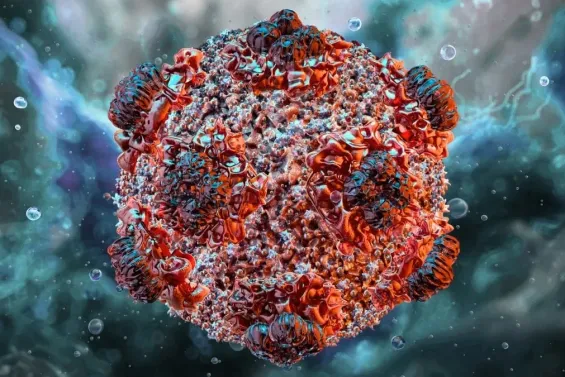
The detection of a cluster of Hantavirus infections aboard a cruise ship, including fatalities and critical cases, has sparked concern and raised questions among Moroccans, particularly amid lingering fears surrounding emerging viruses following the COVID-19 pandemic. While many people are hearing about the virus for the first time, Dr. Tayeb Hamdi, a physician and researcher in health policies and systems, stressed that current scientific data «does not call for panic», despite the presence of factors that warrant caution and vigilance.
Speaking to Yabiladi, Hamdi explained that the Hantavirus belongs to the Hantaviridae family and that rodents, particularly mice and rats, are its natural reservoir. Infection is usually transmitted to humans through the inhalation of aerosolized particles contaminated with rodent urine or droppings, direct contact with open skin wounds, and, more rarely, through bites.
He noted that human-to-human transmission is «very weak and almost nonexistent», except in the case of the «Andes» strain, one of the 38 known strains of the virus, which is reportedly linked to the infections recorded aboard the cruise ship. According to him, this aspect is «concerning in the context of this sea voyage», but remains «marginal» in terms of the virus’s potential to evolve into a global pandemic, unless future mutations facilitate easier human transmission.
Transmission Requires Prolonged Contact
The researcher explained that investigations are still underway to determine whether the infections resulted from human transmission or from an environmental source linked to the voyage itself. He noted that the virus’s incubation period generally ranges from two to four weeks and can sometimes extend up to two months, making it more difficult to trace and identify the source of infection.
«Transmission of the Andes strain mainly occurs during the phase immediately preceding the onset of acute symptoms, within a period of 24 to 48 hours, which is when the risk of transmission is highest. Moreover, transmission does not happen easily, as it requires prolonged contact with an infected person within the same household over an extended period, which explains its limited spread compared to other respiratory viruses».
As for symptoms, Hamdi explained that they usually begin with fever and severe muscle pain, particularly in the back and thighs, along with fatigue and headaches, before potentially developing into serious complications such as acute respiratory distress syndrome in cases of «Hantavirus Pulmonary Syndrome», or acute kidney failure associated with «Hemorrhagic Fever».
Regarding the virus’s survival, he said it can remain active on surfaces for two to three days at room temperature, while high temperatures and sunlight, especially ultraviolet rays, rapidly destroy it. He added that the virus is commonly found in dark, enclosed spaces frequented by rodents and noted that bleach is among the most effective substances for eliminating it.
No Vaccine or Specific Treatment Available
Hamdi confirmed that the virus is diagnosed through PCR testing, as its early symptoms closely resemble those of other viral diseases. He added that there is currently no licensed vaccine or specific antiviral treatment for Hantavirus, with medical care relying mainly on supportive treatment to maintain lung and kidney function in intensive care units.
«Not all rodents transmit the Hantavirus. Common household rats are not known to spread the virus under natural conditions, but caution remains necessary», he warned.
Regarding Morocco, the health policy researcher emphasized that the kingdom has an epidemiological surveillance and vigilance system, as well as reference laboratories capable of diagnosing imported cases, in addition to monitoring protocols at airports, ports, and border crossings. However, he warned that «borders cannot completely prevent the entry of viruses», particularly because symptoms may not appear during travel.
Hamdi believes rural areas remain the most vulnerable due to the increased presence of rodents during harvest seasons and the storage of agricultural products. He also warned that climate change and environmental degradation may increase future interactions between rodents and humans.
As for prevention, he advised against leaving food or food waste exposed inside homes and storage spaces and stressed the importance of sealing openings through which rodents may enter. He also recommended ventilating spaces frequented by rodents for at least 30 minutes before cleaning them, then moistening floors and surfaces with water and bleach to avoid inhaling contaminated dust particles.
Hamdi noted that around 150,000 Hantavirus infections are recorded globally each year, with the majority concentrated in East Asia, particularly China, while approximately 200 cases are reported annually in the Americas, mostly linked to Hantavirus Pulmonary Syndrome. He added that the virus was first isolated in 1976 near the Hantan River in South Korea, from which it derives its name, before drawing global attention in 1993 following an outbreak of Hantavirus Pulmonary Syndrome in the United States.
He concluded by stressing that «there is currently no global epidemic threat that warrants alarm», recalling that the world witnessed a human transmission cluster in Argentina seven years ago involving the Andes strain, during which 34 people were infected and 11 died. «Despite this, the cases remained limited and the virus did not turn into a global pandemic».