


 chargement...


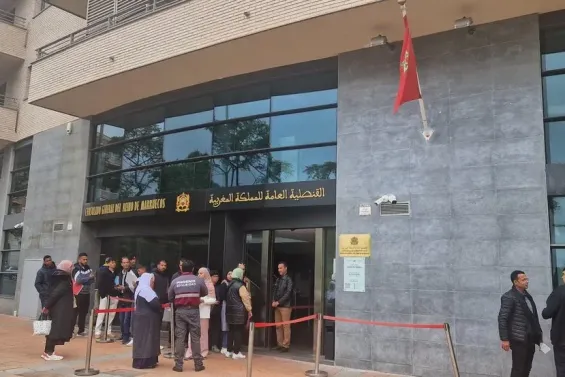
The pressure faced by Moroccan consulates in Spain following the announcement of the regularization process for undocumented migrants has gradually begun to ease after an unprecedented surge during the first weeks, when large numbers of citizens rushed to obtain the documents required to submit their applications.
In this context, Ikram Chahine, Morocco’s Consul General in Tarragona, told Yabiladi that the consulate had been under exceptional pressure since February, with the number of requests tripling or even quadrupling compared to normal periods immediately after the Spanish government announced the regularization plan.
She added that the volume of applications increased even further after the process officially came into effect on April 16, with the consulate receiving around 7,000 applications during the first two weeks alone, placing heavy pressure on its various departments.
Chahin explained that the influx of appointment requests was so overwhelming that officials initially suspected a technical issue with the booking platform before confirming that the surge was directly linked to the regularization decision. Many citizens believed they needed to apply as quickly as possible to avoid being excluded from the process.
A Relative Calm After the Peak
In recent days, the situation has become calmer compared to the initial phase, according to the consular official, with a decline in new applications related to the regularization process. At the same time, passport requests have increased, particularly as the period coincides with Operation Marhaba and Eid al-Adha, with many members of the Moroccan community preparing to travel to Morocco for the summer holidays.
«The demand for certificates of good conduct, which were among the most requested documents during the first weeks of the process, has also declined. While the consulate previously received hundreds of requests per day for this document, the number has now dropped to fewer than 100 daily requests», Chahine said.
She attributed this decline to the fact that many of those now filing applications are people who rushed to prepare their files immediately after Spain announced the regularization decision, before it officially took effect at the end of January. As a result, some documents, particularly certificates of good conduct, which are only valid for three months, expired, forcing applicants to repeat the procedures.
The Consul General stressed that the appointment booking system adopted by Moroccan consulates in Spain more than four years ago has played a key role in organizing the flow of visitors and preventing overcrowding, describing it as an essential tool under such exceptional circumstances.
She also highlighted the proactive measures taken by Morocco’s Ministry of Foreign Affairs, including reinforcing staff numbers and extending reception hours, which helped consulates manage the large influx of visitors in recent months, including through work on weekends and public holidays.
According to Chahine, Morocco is among the few countries to have implemented such exceptional measures compared to other states, enabling its consulates to respond effectively to the situation while earning praise from various Spanish administrations.