


 chargement...


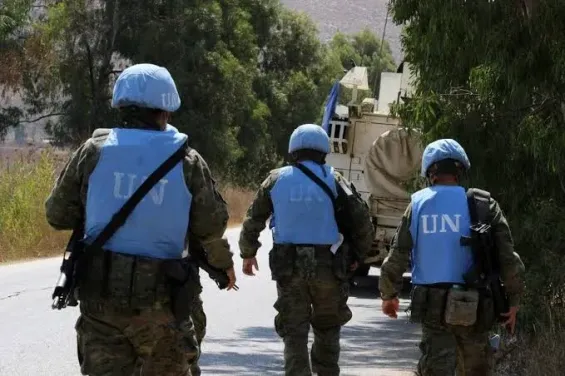
As the United Nations Security Council began reviewing the strategic assessment of MINURSO’s mandate in the Sahara last April, Morocco on Wednesday outlined in Rabat its reform-oriented vision for UN peacekeeping operations.
Speaking in the presence of António Guterres during the second Ministerial Conference on Peacekeeping in French-speaking environments, Moroccan Foreign Minister Nasser Bourita called for UN mandates that are more closely aligned with realities on the ground. Otherwise, he warned, such operations risk becoming instruments for preserving the status quo rather than genuine tools for conflict resolution.
The head of Moroccan diplomacy stressed that peacekeeping missions must be built around realistic, achievable, and clearly prioritized mandates, backed by well-defined political strategies subject to regular reassessment. In his view, pursuing more modest but attainable objectives is preferable to maintaining promises that are difficult to fulfill.
Bourita also warned of an increasingly hostile operational environment marked by the rise of asymmetric threats, attacks by non-state armed groups, and the activities of separatist movements linked to terrorist organizations targeting Blue Helmets. In this context, he called for a zero-tolerance policy toward crimes committed against personnel serving in peace missions.
The minister further emphasized the need to move beyond the debate between preserving the status quo and abandoning peace operations altogether, arguing that the real challenge lies in reforming this essential instrument of multilateralism so it can better respond to today’s realities.
Bourita also recalled that peacekeeping operations must remain temporary mechanisms aimed at supporting a lasting political solution, rather than replacing the political will of the parties concerned. In this spirit, he concluded, the closure of a UN mission should be considered once political progress and conditions on the ground make it possible.