


 chargement...


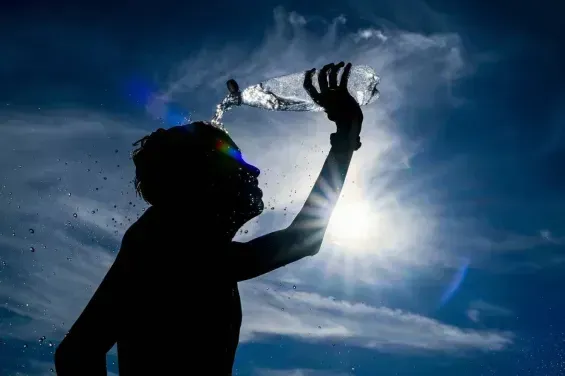
Morocco is bracing for a late spring heatwave expected to continue through Wednesday, with temperatures ranging from 34°C to as high as 45°C in some provinces. Prolonged exposure to extreme heat can lead to dangerous heat-related disorders, particularly among vulnerable groups such as children, elderly people, and outdoor workers.
Physician and health policy researcher Dr. Tayeb Hamdi says there are three main heat-related disorders people should watch out for during periods of high temperatures, each carrying its own risks, warning signs and preventive measures.
Heat exhaustion
The first and most common condition is heat exhaustion, which occurs when the body loses large amounts of water and mineral salts through sweating without proper compensation.
«The body relies on cooling through sweating to maintain its temperature at 37°C», he explained, noting that blood vessels dilate and sweat glands work intensely during extreme heat. If fluids and salts are not replenished, dehydration can quickly set in, especially during heatwaves lasting several consecutive days.
According to him, the groups most exposed to this risk are outdoor workers, elderly people, children and infants. Older people are particularly vulnerable because the brain’s thirst mechanism weakens with age, while children lose fluids faster due to their smaller body size, he says.
Symptoms of heat exhaustion include dry mouth and tongue, low blood pressure, headaches, a sharp decrease in urine volume and dark-colored urine. If left untreated, the condition can lead to serious complications, including acute kidney failure.
To avoid dehydration, he recommends drinking water regularly, even without feeling thirsty, while limiting outdoor activities and physical effort during peak heat hours between 11 a.m. and 4 p.m. Wearing loose, light-colored clothing, covering the head and using sunscreen are also essential precautions.
Heat stroke
The second and most dangerous condition is heat stroke, which he described as «an absolute medical emergency that threatens life».
Unlike heat exhaustion, heat stroke can develop within just a few hours after direct exposure to intense sunlight without proper head protection. It occurs when the brain’s heat regulation system suddenly fails, causing the body to lose its ability to cool itself.
«In this case, sweating stops completely and the body temperature rises rapidly, often exceeding 40 to 41°C», he warned.
The most alarming signs include extremely hot and dry skin, high fever, severe confusion, delirium, convulsions and loss of consciousness.
Immediate intervention is critical. «The priority is to lower the body temperature as quickly as possible», he said, recommending moving the person into the shade, using fans, spraying cold water and applying cold compresses.
If the person is fully conscious, water may be given. However, he warned against giving fluids orally to someone who is confused or unconscious because of the risk of choking. Anyone showing signs of heat stroke «should be transferred urgently to hospital for emergency treatment», Dr. Hamdi insisted.
Sunstroke and sunburn
The third type of heat-related disorder is sunstroke or sunburn, caused by prolonged exposure to ultraviolet rays, particularly UVB rays, which penetrate the superficial and middle layers of the skin and damage skin cells.
«The effects may appear within hours after exposure, but the long-term consequences can be serious», he warned.
Symptoms include intense redness of the skin, burning pain when touched, localized swelling and, in more severe cases, blisters like first- and second-degree burns, followed later by skin peeling.
He also stressed that repeated sun exposure has cumulative effects on the body. «Ultraviolet radiation alters the DNA of skin cells over time», he explained, warning that repeated sunburns significantly increase the risk of developing skin cancer in the future.