


 chargement...


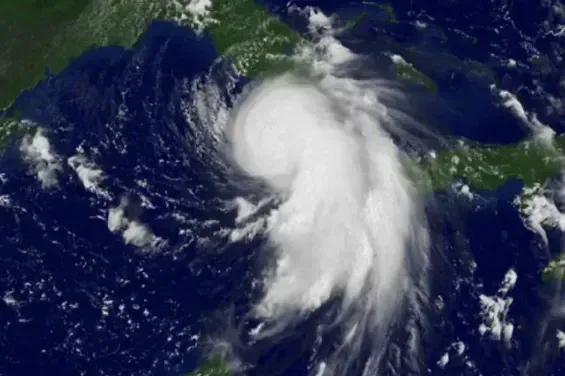
The World Meteorological Organization has pointed to a growing likelihood that El Niño will develop in the coming months, with its latest update raising the probability of a return of El Niño conditions to 80% between June and August 2026. The phenomenon, which affects weather patterns, temperatures, and rainfall in many parts of the world, raises questions about its possible impact on weather and climate in Morocco, particularly amid mounting concern over climate variability, drought risks, and rising temperatures.
In a report, Morocco’s General Directorate of Meteorology said current scientific studies indicate that El Niño is not a reliable indicator for forecasting rainfall levels in the country. This is due to several key factors, foremost among them the fact that Morocco’s winter climate is influenced mainly by the North Atlantic Oscillation (NAO) and Mediterranean climate patterns, rather than by changes in Pacific Ocean temperatures.
Second, some El Niño episodes may coincide with reduced rainfall during spring in certain arid and semi-arid areas in southern Morocco, but this link remains weak and varies from one event to another. Recent experience clearly confirms this: between 2020 and 2024, Morocco experienced successive and severe droughts despite La Niña conditions prevailing over several seasons.
Accordingly, the directorate stressed that drawing a direct link between El Niño and drought, or between La Niña and rainy years, does not reflect the complexity of Morocco’s climate reality.
El Niño’s impact on Morocco remains secondary
Against a backdrop of accelerating global warming, particularly in the Mediterranean region, extreme heat events have become more frequent and more intense. However, heatwaves in Morocco are primarily explained by regional and local atmospheric factors.
According to the directorate, the summer of 2023 is a clear example. Although it coincided with El Niño’s global return, the all-time record temperature recorded in Agadir — 50.4°C on August 11 — was mainly linked to the Chergui phenomenon, driven by the flow of extremely hot and dry Saharan air masses, further intensified by the foehn effect as they crossed the Atlas Mountains.
As a result, regional weather conditions, such as the incursion of Saharan air masses or atmospheric blocking patterns, remain the main drivers of the severe heatwaves affecting the Kingdom, against a broader climatic backdrop marked by a gradual rise in temperatures.
The same source noted that, although El Niño’s impact on Morocco remains secondary compared with other factors, monitoring it is still essential given the importance of sectors that are highly sensitive to climate variability, foremost among them agriculture, water resources, and livestock farming.
The directorate said it is tracking the evolution of global and regional climate phenomena and preparing seasonal forecasts based on the latest climate models, which take into account changes in ocean temperatures, including those in the tropical Pacific.
It added that, as part of the World Meteorological Organization’s «Early Warnings for All» initiative, it continues to strengthen climate monitoring and vigilance systems, with the aim of supporting social and economic sectors with the climate information needed to anticipate, adapt to, and cope with climate variability and change.