


 chargement...


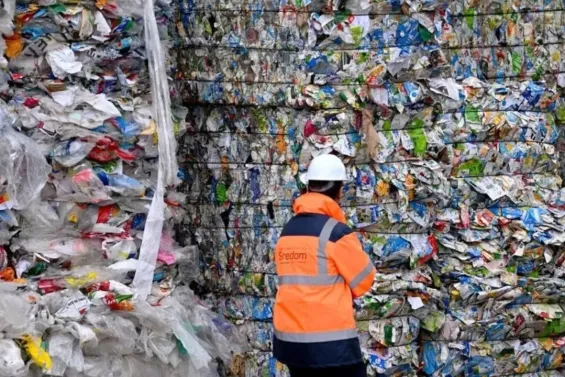
Recycling textile waste in Morocco could attract an additional $1.9 billion in private investment and create more than 30,000 jobs, according to a new report released by the International Finance Corporation (IFC). A member of the World Bank Group and the world's largest development institution focused on the private sector in emerging markets, IFC said pilot projects conducted under its Textile Circularity Program in Morocco have demonstrated that textile waste recycling is both technically and commercially viable.
It noted that the pilot program more than doubled its initial targets, converting 427 metric tons of textile offcuts into new manufacturing materials, with a further 2,400 tons identified for future recycling. Fabrics containing recycled content met commercial quality standards across all tested indicators and can be reintegrated into supply chains without compromising quality or performance.
A life-cycle assessment also found that using recycled materials could cut carbon emissions by around 18% and reduce water consumption by more than 60% compared with conventional production methods.
The IFC expects a significant share of these opportunities to benefit workers at the bottom of the value chain, noting that more than 80% of Morocco's textile waste collectors currently operate in the informal sector.
Bringing Workers Into the Formal Economy
Research carried out under the program found that up to 75% of these workers could transition into the formal economy within five years if supported by appropriate institutional measures. Such a shift would help strengthen the foundations of a circular economy while improving the livelihoods of some of the country's most vulnerable workers.
Commenting on the findings, David Tinel, IFC Regional Manager for the Maghreb, said expanding textile circularity in Morocco could generate tens of thousands of jobs and help build a globally competitive industry.
«The evidence is now in place», he said, adding that acting now could position Morocco at the forefront of sustainable manufacturing for international markets.
According to the IFC, fully capitalizing on this opportunity will require targeted policy reforms. Recommendations include reclassifying textile offcuts as industrial by-products rather than waste, reforming customs rules to allow brands to transfer ownership of these materials to local manufacturers, creating a national product-tracking platform to comply with the European Union's forthcoming Digital Product Passport requirements, and investing in domestic spinning capacity to reduce reliance on exporting recycled fibers for processing abroad.
The issue is becoming increasingly important as international buyers, particularly in the European Union, which accounts for 93% of Morocco's textile exports, tighten requirements related to sustainability, traceability and recycled content. The EU's Digital Product Passport is expected to come into force in 2027, while mandatory textile extended producer responsibility schemes are due to be implemented across all member states by the same date.