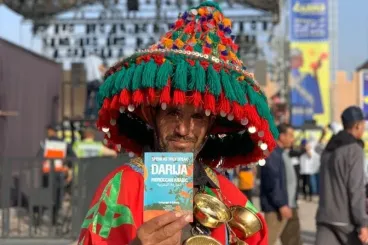
A new academic study shows that Moroccan Arabic, Darija, is increasingly valued by foreign learners, challenging long-standing biases that favored Egyptian and Levantine dialects. Once immersed in Morocco, students quickly abandon stereotypes, finding Darija essential, accessible, and key to understanding Arabic as it is spoken in everyday life.
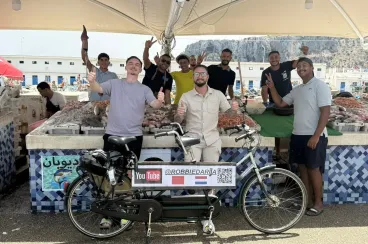
During lockdown, Rotterdam native Robbie began learning Darija to better connect with Moroccan patients and neighbors in the Netherlands. His journey—from TikTok videos to solo travels across Morocco—turned into a cultural adventure filled with laughter, hospitality, and a growing love for Moroccan languages.
Can one reclaim their language enough to use it in everyday life, despite its imperfections? Whether codified, spoken, written, oral, dialectal, or undervalued, can it truly become one’s own again when emotional, cultural, conventional, and psychosocial barriers come into play? Psychiatrist Dr. Wadih Rhondali, a specialist in psycho-oncology and neuroscience, explores these questions through the lens of his personal and professional journey between Morocco and France.
In 2024, Darija remains the dominant in Morocco, with French playing a significant role in professional settings and English steadily rising, according to a recent survey on the Moroccan linguistic landscape. The survey also highlights the country's multilingualism, with a growing number of people speaking multiple languages, especially among younger and urban populations.
Atlas-Chat is the first large language model tailored for Darija, Moroccan Arabic, outperforming similar models in handling this dialect. The model was created using existing language resources and new datasets.
Linguists believe that Darija is a lingua franca that helps Moroccans, with different cultural backgrounds, understand each other. The origins of this dialect, however, are influenced by Tamazight, Classical Arabic, and other sub-dialects that were once spoken in the Kingdom.
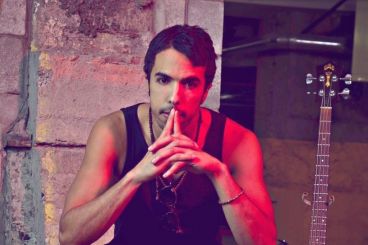
Rebel Moon is a nickname for Badr the free soul in love with Moroccan music. Known for his cover «Lmarikan» that paid tribute to Houssein Slaoui, the Marrakchi native living in Canada has several plans for music and youths in Morocco. (Interview)
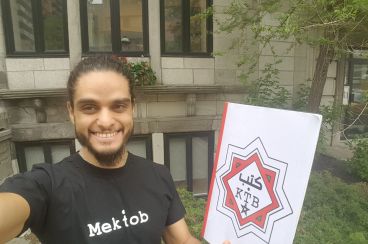
In 2009, Tariq Daouda, a young Moroccan student in Canada had the great idea of creating a keyboard, a dictionary and a standard for Moroccan Arabic. His project aims at fighting illiteracy, help children learn the rules of the language they speak at home and allow Moroccans living abroad write and read Darija using Latin letters.
 Les articles les plus...









 chargement...


![Blocked language : When memory speaks but words refuse to follow [Opinion]](https://static.yabiladi.com/files/articles/yabiladi-8aa881b342e849b3100edeedf04fbc1420250516153931chaabi-.webp)