As the Polisario Front attends the African Union–European Union summit in Angola, internal dissent grows with calls for leader Brahim Ghali to distance from Algeria and engage in U.S.-mediated talks with Morocco. This schism, highlighted by Sahrawi voices like Said Zarwal, underscores emerging factions within the movement seeking a shift from long-standing alliances and strategies.
The categorical refusal displayed by the Polisario Front barely conceals the internal tensions sparked by Resolution 2797. Caught between the fear of American sanctions and pressure from Algiers, the leaders of the movement are seeking a way out of the crisis without publicly abandoning their rhetoric of resistance.
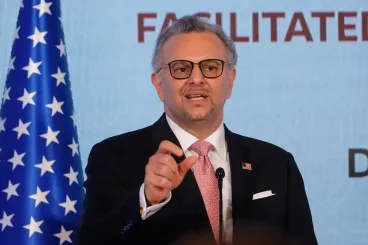
On the Sahara issue, the Trump administration is pushing for the resumption of negotiations involving Morocco, Algeria, the Polisario Front, and Mauritania. This condition was reiterated on Monday, November 3, by Massad Boulos.
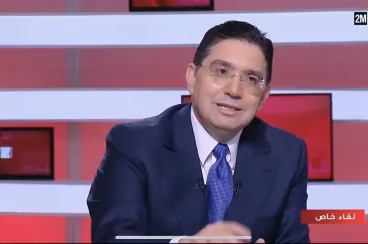
On Saturday evening, Foreign Minister Nasser Bourita discussed the diplomatic negotiations that took place prior to the adoption of Resolution 2797 by the United Nations Security Council. This resolution extends the mandate of MINURSO and reaffirms the framework for the political process concerning the Sahara.
 Les articles les plus...









 chargement...