Moroccan women are living longer and becoming more educated, yet they remain underrepresented in the labor market and decision-making roles. The latest HCP report shows persistent gender gaps in employment, income, and access to education, particularly in rural areas.
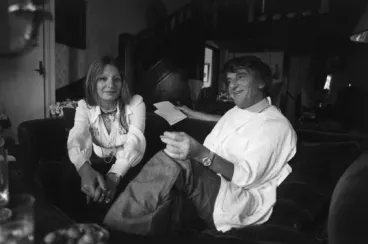
From the 1950s to the 1970s, Casablanca became an unexpected global center for gender reassignment surgery, led by pioneering French gynecologist Dr. Georges Burou. His innovative technique and discreet clinic attracted thousands, including prominent European entertainers.
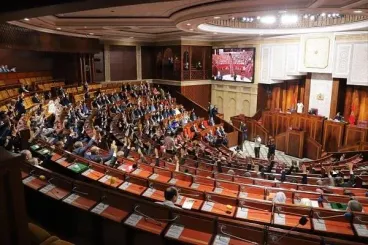
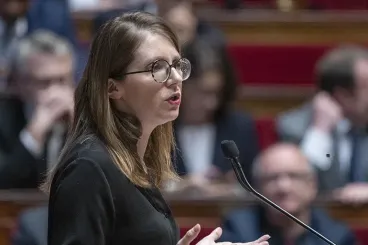
The Ministry of Foreign Affairs has revamped its consular network, with Moroccans living in Western Europe as the main beneficiaries. Notably, over 45% of the new appointments have been awarded to women.
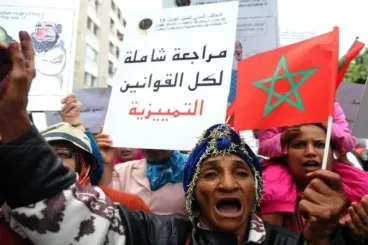
Morocco ranked 137th out of 148 countries in the 2025 Global Gender Gap Report, published by the World Economic Forum, placing it among the lowest-ranked countries worldwide for gender equality.
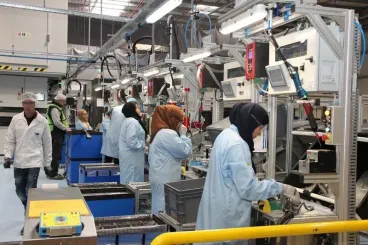
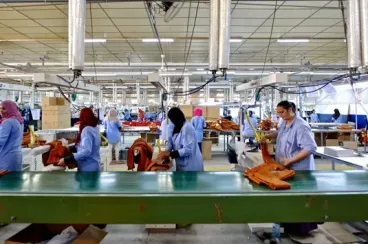
Economic constraints remain the main reason for creating informal production units, especially among women. In its National Survey on the sector, the High Commission for Planning (HCP) reveals that women working in informal production units (IPUs) are more likely to enter this sector out of necessity, using it as an alternative to complete inactivity and the difficulties of accessing the formal job market.
 Les articles les plus...









 chargement...