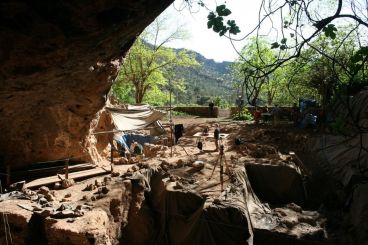
In Morocco, the expansion of forest cover marked a pivotal moment in population dynamics and land use during the Late Stone Age, as demonstrated by a study conducted at the Taforalt and Rhafas caves. Published on Thursday, the findings shed light on the significant reorganization of hunter-gatherer lifestyles in North Africa during the Greenland Interstadial 1 climate interval.
A new study suggests that Moroccans 13,000 years ago ate more plants than meat. Evidence brought by the study show ancient populations in North Africa relied on plant way much before the start of farming.
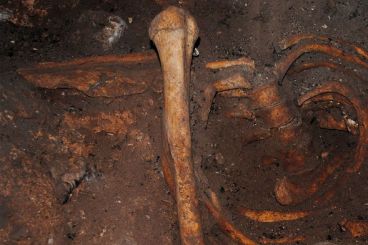
Ancient nuclear DNA from 15,000-year-old modern humans discovered in Morocco is the oldest analyzed in Africa. A scientific team found out that these finds had a dual genetic heritage similar to Near Eastern and Sub-Saharan African populations.
 Les articles les plus...









 chargement...