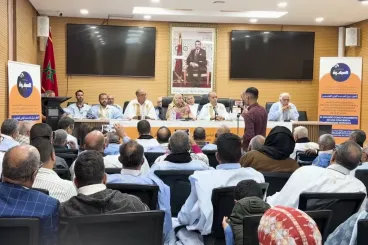
The adoption of Resolution 2797 by the UN Security Council has ushered in a new dynamic in the Sahara. The prospect of genuine autonomy under Moroccan sovereignty is reinvigorating public debate and bringing long-suppressed demands back to the forefront. In this context, the meeting held in Dakhla by the «Sahrawi Initiative for Development and Human Rights» takes on particular significance.
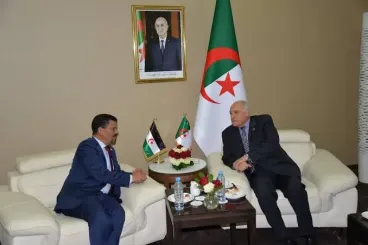
As the Polisario Front attends the African Union–European Union summit in Angola, internal dissent grows with calls for leader Brahim Ghali to distance from Algeria and engage in U.S.-mediated talks with Morocco. This schism, highlighted by Sahrawi voices like Said Zarwal, underscores emerging factions within the movement seeking a shift from long-standing alliances and strategies.
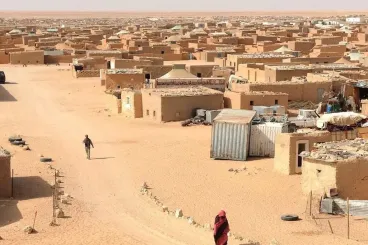
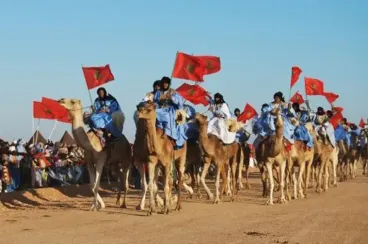
The Sahrawi tribes of Morocco, from the powerful Reguibat confederation to the Tekna and Ouled Dlim, are not merely a cultural heritage; they form the backbone of governance, social cohesion, and alliances in the southern provinces. Their influence extends beyond the local sphere: understanding these tribal dynamics sheds light on the strategies of the Moroccan state in the Sahara, as well as the regional and international stakes tied to the stability and sovereignty of this strategic territory.
 Les articles les plus...









 chargement...