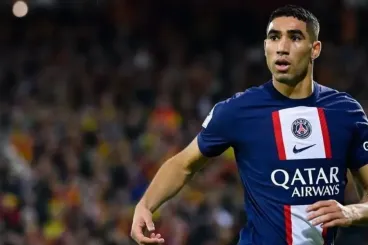
PSG defender and Moroccan international Achraf Hakimi has been ordered to stand trial on rape charges dating back to February 2023, the Nanterre prosecutor’s office confirmed Tuesday to AFP. Reacting on X, the 27-year-old player said: «Today, a rape accusation is enough to justify a trial even though I contest it and everything shows it is false». «It is as unfair to the innocent as it is to sincere victims», he regretted, reassuring fans: «I await this
The police officer who shot a 28-year-old Moroccan man to death on January 26 near Milan has been arrested on suspicion of voluntary homicide. The arrest was ordered by prosecutors following new elements gathered from colleagues’ testimonies, CCTV footage, phone data, and forensic investigations, La Stampa reported on Monday. Abderrahim Mansouri was shot in the head with a single bullet fired from Assistant Police Chief Carmelo Cinturrino’s service pistol during during a drug
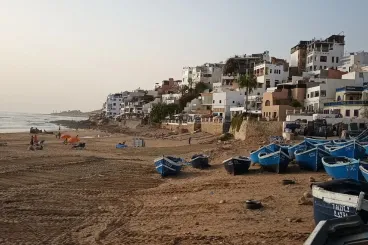
Taghazout has been ranked among the world’s top trending travel destinations for 2026 in Tripadvisor’s latest Travellers’ Choice Awards, standing out as the only African location on a list largely dominated by Europe and North America. The Moroccan seaside town was featured in the «Best of the Best» trending destinations category, ranking 13th out of 25 global locations. The list includes Madeira (Portugal), Tbilisi (Georgia), Chicago (United States), Milan
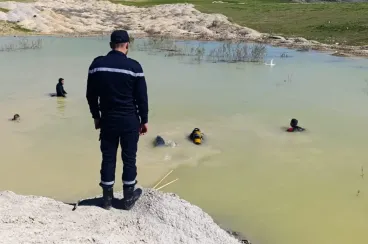
A tragic incident unfolded, Sunday, when a 15-year-old boy drowned in a pond in Taza. According to local media reports, the young victim was with friends, attempting to swim in the pond formed by construction debris, soil accumulation, and recent rainfall. While his friends were able to save another student, they tragically could not rescue him. Upon receiving the alert, local authorities and civil protection personnel swiftly arrived at the scene. They recovered the boy's body and transported
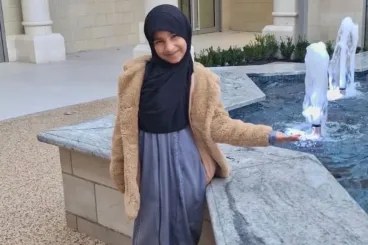
The parents of a seven-year-old girl who was swept out to sea in Casablanca in late January have said that, after weeks of searching, they may soon be forced to end the physical search. Inaayah Makda, from England, was sitting on rocks at Lalla Meryem beach in Casablanca when a large wave struck, knocking her and her parents, Zubair and Tasneem, into the water. Her parents lost sight of her as she was swept away. Despite extensive search efforts involving Moroccan authorities, specialist
The Justice and Development Party (PJD) is expressing reservations about Morocco's proposal to initiate a deradicalization program in Gaza. During a Peace Council meeting on February 19 in Washington, Foreign Minister Nasser Bourita pledged to advance an initiative aimed at combating hate speech and fostering values of tolerance and coexistence in Gaza. While the PJD has not directly opposed the kingdom's position, the party's General Secretariat released a statement asserting that «it
On Monday in Nouakchott, Mauritanian President Mohamed Ould Cheikh El Ghazouani held talks with a Polisario delegation led by Hama Salama, the president of the so-called «Sahrawi parliament». According to a brief statement from the movement's press agency, the discussions centered on «cooperative relations and issues of common interest». This visit is not linked to the ongoing discussions in Washington regarding Western Sahara. However, it comes just 48 hours after the
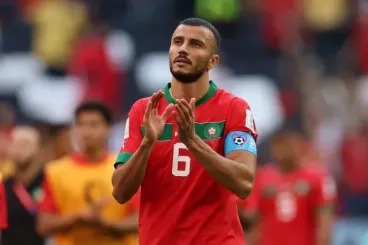
Moroccan national team captain Romain Ghanem Saïss has announced his retirement from international football, bringing to a close a distinguished career in which he earned 86 caps for the Atlas Lions and scored three goals. Saïss, who has worn the captain’s armband since 2019 after succeeding Mehdi Benatia, shared the news in a post on his Instagram account: «After deep reflection, I announce to you, with great emotion, my retirement from international
Bolivia has announced the suspension of its recognition of the so-called «SADR». The decision was made public following a phone call on Monday between Moroccan Foreign Minister Nasser Bourita and his Bolivian counterpart, Fernando Aramayo. «The Plurinational State of Bolivia, in accordance with Security Council Resolution 2797 (2025) and reaffirming its support for the political process under the auspices of the United Nations, has re-evaluated its foreign policy.
La embajada de Marruecos en Senegal ha instado a sus ciudadanos a abstenerse de cualquier acto que pueda perjudicar las relaciones entre ambos países. Ha asegurado que, a pesar de algunas reacciones en las redes sociales respecto a la condena de 18 aficionados senegaleses, la situación no genera preocupaciones particulares para los ciudadanos marroquíes.
 Les articles les plus...









 chargement...