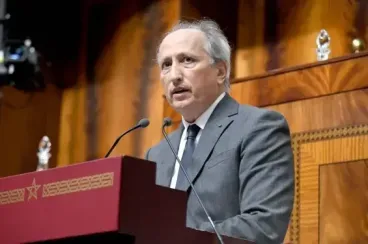
El Ministerio de Educación Nacional, Educación Preescolar y Deportes de Marruecos ha negado categóricamente unas declaraciones que, atribuidas erróneamente al ministro Mohamed Saad Berrada, han circulado en redes sociales y algunos medios. La institución calificó estas afirmaciones de «totalmente falsas y sin fundamento». Las citas inventadas afirmaban que «Marruecos no representa a África», que «la selección
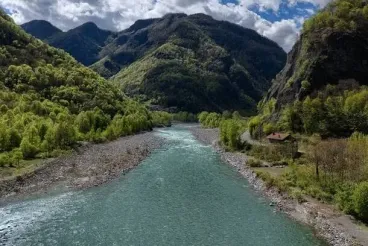
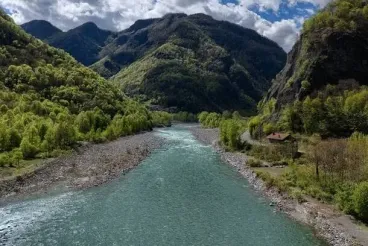
Deux Marocains ont perdu la vie dimanche en se jetant dans la rivière Sesia, en Italie, pour secourir une fillette de six ans emportée par le courant, rapportent des médias italiens. Si l’enfant a pu être sauvée par des témoins, Benzaid Abdelhadi et son oncle, Bouchta El Kerjmi, ont malheureusement perdu la vie lors de cette tentative héroïque. Ce drame a profondément touché les communautés d’Azzio et de
El pasado domingo, dos marroquíes perdieron la vida en el río Sesia, Italia, al intentar rescatar a una niña de seis años arrastrada por la corriente, según informan medios italianos. Aunque testigos lograron salvar a la menor, Benzaid Abdelhadi y su tío, Bouchta El Kerjmi, sacrificaron sus vidas en este acto heroico. La tragedia ha dejado una profunda impresión en las comunidades de Azzio y Casorate Sempione, al norte de Italia, donde
Morocco's Ministry of National Education, Preschool and Sports has denied statements circulating on social media and in several media outlets that were falsely attributed to Minister Mohamed Saad Berrada. The ministry described the claims as «entirely false and unfounded». The fabricated quotes alleged that «Morocco does not represent Africa», that «the national football team represents only Morocco, not Africa», and that «Morocco does not need
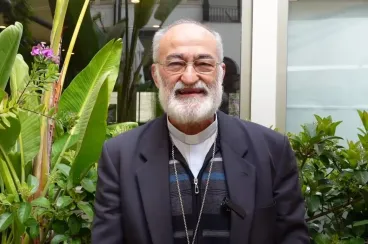
Cardinal Cristóbal López Romero, the Archbishop of Rabat, is facing allegations of sexual assault from at least five women. The Vatican has opened an investigation into the claims, while the cleric, who temporarily stepped aside from his duties on July 7, has denied all wrongdoing, according to Agence France-Presse (AFP).The 74-year-old Spanish cardinal had been considered one of the leading contenders to succeed Pope Francis during the recent conclave that ultimately elected
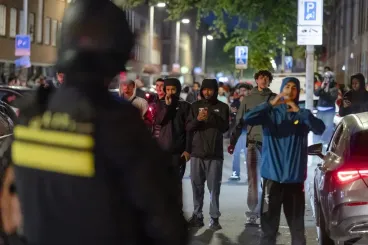
Authorities in several major Dutch cities are stepping up security preparations ahead of Thursday's World Cup quarter-final between Morocco and France, according to Dutch media. In Amsterdam, the municipality said police officers, street coaches and community volunteers would be deployed to ensure celebrations remain peaceful. «Street celebrations can escalate into public order disturbances, so we prepare thoroughly for every match, including Thursday's», a municipal spokesperson
ASSORIF has condemned the repeated cancellation of Armas ferry crossings between the Spanish port of Motril and Al Hoceima, warning that the disruptions are throwing the travel plans of thousands of Moroccans living abroad into disarray at the height of the summer holiday season. In a statement, the association, which defends the interests of Moroccans residing abroad, said all sailings scheduled between July 7 and 13 had been cancelled, with no assurance that further cancellations would not
Two Moroccan men died on Sunday after jumping into Italy's Sesia River to save a six-year-old girl who had been swept away by the current, according to Italian media. The child was rescued by bystanders, but Benzaid Abdelhadi and his uncle, Bouchta El Kerjmi, drowned during the rescue attempt, triggering an outpouring of grief in the northern Italian towns of Azzio and Casorate Sempione, where they lived with their families. According to the same source, the two men will now be laid to rest
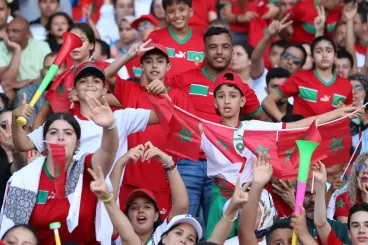
Le parcours remarquable du Maroc au Mondial 2026 a captivé des milliers de jeunes supporters, qui ont célébré chaque victoire aux côtés des Lions de l’Atlas. Mais à mesure que l’équipe avance dans la compétition, comment les parents peuvent préparer leurs enfants à toutes les issues possibles ?
La notable trayectoria de Marruecos en el Mundial 2026 ha cautivado a miles de jóvenes aficionados, que han celebrado cada victoria junto a los Leones del Atlas. Pero, a medida que el equipo avanza en la competición, ¿cómo pueden los padres preparar a sus hijos para cualquier desenlace posible?
 Les articles les plus...









 chargement...