


 chargement...


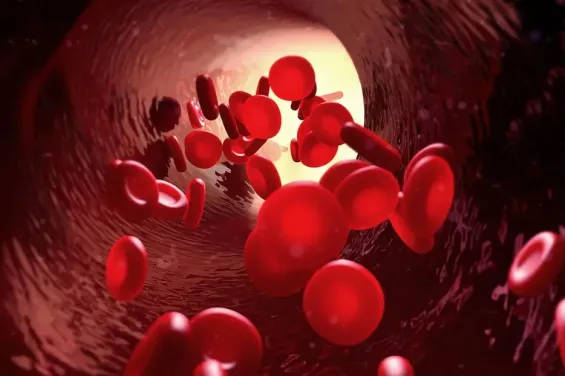
The Mohammed VI Foundation for Science and Health (FM6SS) has announced a groundbreaking achievement in the field of biotechnology: the successful reprogramming of human peripheral blood mononuclear cells (PBMCs) into induced pluripotent stem cells (iPS). This milestone, as highlighted by Saber Boutayeb, director of the Mohammed VI Center for Research and Innovation, unveils a wealth of therapeutic and research opportunities.
Speaking on Medi1 Radio's evening forum, Professor Boutayeb emphasized the significance of this breakthrough, marking a first for Morocco. He explained that the ability to transform regular blood-derived cells back into an undifferentiated state, known as pluripotent stem cells, is a remarkable scientific feat.
He also pointed out that this advanced technique is currently mastered by only 20 to 30 countries worldwide, underscoring its importance and the expertise required to achieve it.
Professor Boutayeb elaborated on the process, stating that the technique involves completely deprogramming a cell, allowing it to revert to a pluripotent stem cell state. These cells can then be reprogrammed to develop into any type of adult cell, such as cardiac, central nervous system, liver, or pancreatic cells.
In a public announcement, the FM6SS declared that this strategic advancement sets the stage for establishing a national platform dedicated to cell reprogramming and differentiation. This platform will support biomedical research, personalized medicine, and innovative therapies.
With this achievement, which is currently undergoing validation and scientific characterization, the Foundation is positioning Morocco as a leader in the realms of biotechnology and regenerative medicine.