


 chargement...


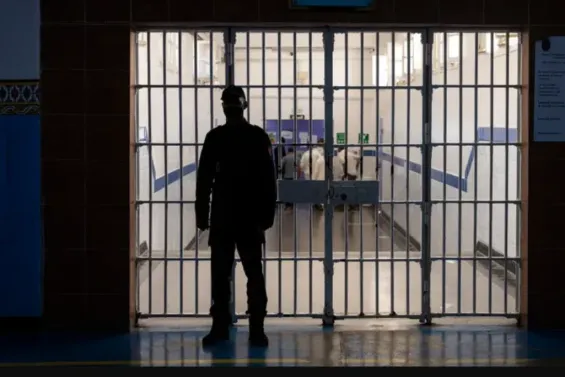
Morocco’s prison population declined by 5.45% between 2024 and 2025, according to the latest annual report released by the General Delegation for Prison Administration and Reintegration, marking a rare easing of pressure on the country’s overcrowded prison system.
As of December 31, 2025, Moroccan prisons housed 99,366 inmates, the equivalent of 280 prisoners per 100,000 inhabitants. The prison population included 1,112 juveniles, 2,456 women, 2,339 elderly inmates, 1,696 foreign nationals, and 8,785 detainees. The average inmate age stood at 33.62 years.
The report points to a decline in new incarcerations alongside a rise in releases. During 2025, prisons recorded 98,446 new admissions, down from 101,157 in 2024, while releases rose to 104,485 compared to 98,673 the previous year.
Young people under the age of 30 remain the largest category, accounting for more than 45% of inmates. Single individuals represented 63.38% of the prison population, while married inmates accounted for 29.44%. Women continued to make up a small and relatively stable share at 2.47%.
Educational data in the report highlights the social profile of many inmates, with more than 74% having only primary or middle school education. The illiteracy rate among prisoners stood at 8.82%, while only 4.14% had reached university level.
Regionally, Casablanca-Settat recorded the country’s largest prison population at 19.76%, followed by Rabat-Salé-Kénitra with 17.92% and Fès-Meknès with 15.34%.
Despite the decline in inmate numbers, overcrowding remains severe. By the end of 2025, Moroccan prisons offered 178,413 square meters of accommodation space and 64,812 beds. However, the national overcrowding rate fell to 153%, compared to 161% a year earlier.
The prison administration attributed this improvement to a reduction of 5,689 inmates while prison capacity remained almost unchanged, making 2025 the year with the lowest overcrowding rate recorded in recent years.