

 chargement...


Eid al-Adha in Morocco is a holiday where food brings people together as families gather to celebrate the sacrifice. But eating habits can sometimes turn what should be a moment of celebration into a burden on the body. The combination of heavy meals, poor hydration and the current heatwave could put many people at risk during the holiday.
Based on the advice of Dr. Tayeb Hamdi, physician and researcher in health policies and systems, Yabiladi compiled what could be described as the five commandments for a healthier Eid al-Adha, a guide on how to enjoy the holiday without abandoning healthy habits.
1- Don’t turn Eid into a marathon of eating
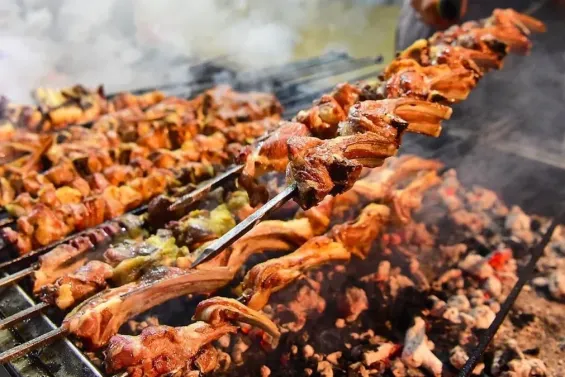
Eid should not become a contest over who can eat the most meat. According to Dr. Hamdi, one of the most common mistakes during Eid is consuming large amounts of meat from the very first meal of the day.
«Eating excessive quantities of meat in one sitting can cause digestive problems such as bloating, indigestion and fatigue», he explains.
The doctor notes that red meat is heavy on the digestive system, especially during hot weather when the body is already under stress. Eating too quickly only makes matters worse. «The body may need around 20 minutes before the brain receives the signal of fullness» he says, which is why people often continue eating long after they have had enough.
He also advises moderation with salt, spices and greasy foods, which can increase thirst and dehydration.
2- Vegetables and water are not optional
During Eid, meat often takes over the table while vegetables and lighter foods disappear almost completely. Dr. Hamdi says this imbalance can make digestion much harder.
He recommends accompanying meat dishes with salads, vegetables, and fruits rich in fiber and water. «Vegetables help improve digestion and reduce feelings of heaviness», he says.
Hydration is equally important. With temperatures soaring across Morocco, the doctor warns against relying on sugary drinks and sodas. «Natural juices are much better than soft drinks and sweets, which increase calorie intake and make digestion harder», he explains.
3- Heat and heavy meals are a dangerous combination
This year’s Eid coincides with unusually high temperatures, increasing the risk of exhaustion and dehydration, especially after heavy meals.
«The body uses a great deal of energy during digestion», Dr. Hamdi says. Combined with extreme heat, this can intensify fatigue, headaches, and discomfort.
For this reason, he advises people to avoid prolonged exposure to the sun during peak afternoon hours, particularly children, elderly people, and those with chronic illnesses.
4- Don’t collapse on the couch after lunch
One of the classic Eid scenes in many households is everyone falling asleep or taking a nap immediately after eating. But Dr. Hamdi says a little movement can make a major difference.
«Walking and physical movement help facilitate digestion and burn calories», he explains.
Even a short walk after lunch can reduce bloating and the heavy feeling many people complain about during Eid.
5- Listen to your body
Dr. Hamdi says warning signs such as dizziness, nausea, headaches, unusual fatigue, or excessive sweating should not be ignored.
«People should pay attention to these symptoms instead of dismissing them as ordinary tiredness», he says, stressing that heat exhaustion and dehydration can escalate quickly if left untreated.
In the end, the doctor says the goal is simple: to enjoy Eid without harming one’s health. «Eid is about family, balance and well-being», he says. «Simple habits can make the celebration healthier and more comfortable for everyone».