

 chargement...


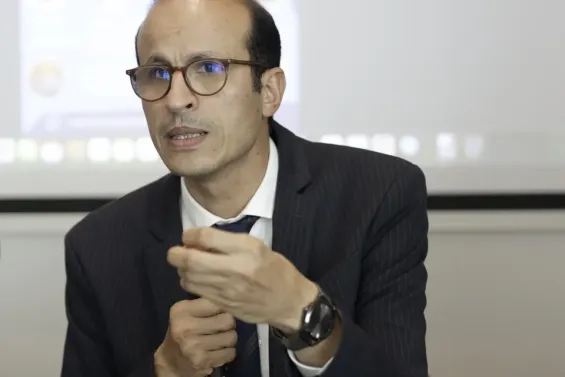
The situation in the Sahel has significantly altered major powers' perspectives on the region. Mohamed Ahmed Kane suggests that recent reactions must be viewed within a broader geopolitical context, marked by increased security threats in the Sahel and growing international support for Morocco's autonomy initiative.
«This is not a sudden change. It reflects a new conviction gradually embraced by several capitals», he notes.
A Shift Driven by US Acknowledgment
According to the researcher, the pivotal moment was the United States' 2020 decision to recognize Moroccan sovereignty over the Sahara. Since then, several Western allies have gradually shifted their stance on the conflict.
This shift transcends diplomatic discourse, rooted also in the desire to uphold the UN-led political process.
In this view, assaults on civilian areas are now perceived as destabilizing efforts that could jeopardize attempts to reach a resolution. «Countries seeking a definitive solution to this conflict no longer tolerate actions that could derail the political process», argues Mohamed Ahmed Kane.

The Sahel's Importance to European Concerns
Kane points out a significant shift in how Europeans strategically view the conflict. They increasingly link the stability of the Maghreb with that of the Sahel.
Confronted with the expansion of armed groups, migration pressures, and energy challenges in the Sahel, Europeans see resolving the Sahara conflict as crucial for regional stability.
«The crises in the Maghreb and the Sahel are interconnected», he emphasizes. European decision-makers, he believes, understand that lasting peace south of the Mediterranean demands a comprehensive approach combining security, economic development, and governance.
The professor asserts that purely security-focused responses have proven inadequate. He praises initiatives aimed at enhancing regional economic integration, particularly Morocco's project to provide Sahel countries with access to the Atlantic Ocean.
«Access to the sea is access to development», he summarizes, advocating economic solutions as more effective than military approaches in addressing the vulnerabilities of the Sahel.
Algeria's Role Under Scrutiny
Another central aspect of his analysis concerns the Tindouf camps.
Mohamed Ahmed Kane asserts that Algeria's role in managing the camps is inseparable from discussions about the conflict's future. He recalls that numerous international bodies have questioned the legal status of those residing there and the lack of an official census. «Algeria’s responsibility is undeniable», he insists.
He also finds it unusual under international law for part of the camps’ administration to be delegated to the Polisario Front. This arrangement, he argues, complicates the clear definition of responsibilities and the effective protection of the populations concerned.
He refers to initiatives in the United States, where some lawmakers have called for the Polisario to be listed as a terrorist organization, although this remains speculative.
Beyond diplomatic debates, Mohamed Ahmed Kane emphasizes the human situation in the camps. «The Sahrawis in the camps are being held hostage», he contends, urging academics, media, and international organizations to keep the spotlight on the living conditions of these populations.
He stresses that finding a lasting political solution is crucial to preventing Sahara-related tensions from exacerbating the already present vulnerabilities in the broader Sahel-Maghreb region.