

 chargement...


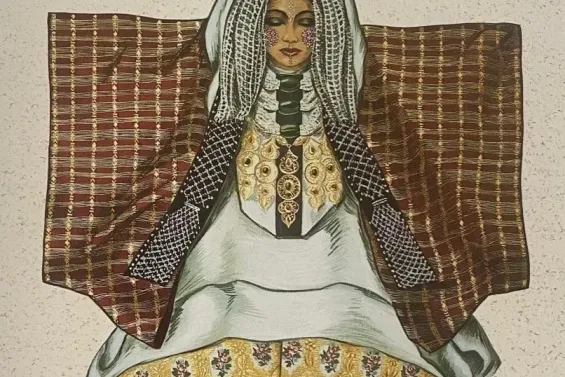
Embroidery, beadwork, and sfifa trim on a caftan are influenced by the fabric from which the garment is crafted. Over centuries, the tradition has always sought the perfect balance, melding elegance through a harmonious blend of richly patterned fabrics with embroidery that enhances without overshadowing, which wouldn't be as intricate on a plain or two-tone fabric. Regardless of the caftan's style, one constant remains: the necessity for a noble, carefully handwoven material.
Regional differences across Morocco often distinguish the Fez caftan from those of Tetouan and Oujda, and Rabat and Salé, among others. While colors and florals have evolved, the core factor has been the quality of fabric, typically silk or velvet, producing garments that range from heavy to light, occasionally layered with lace.
Despite enduring through artisans and designers, fabric crafting remains an art form. Ichrak Slaoui has championed this expertise for 35 years, offering in-store guidance and sharing insights on social media.
«For me, it's crucial to explain the fabric, its purpose and look once sewn, rather than just selling it», shares Ichrak, who found her passion after studying translation abroad and working in banking.
 Fez caftan
Weaving, a tradition on the verge of extinction
Leading La Préférence, Ichrak explains to Yabiladi that fabrics like Behja, Khrib, and Denya Jate were handwoven before mechanization. Behja is silk, Khrib uses gold thread, while Denya Jate combines colorful silk. «It’s named after a merchant who traversed the world, collecting threads in every hue for his caftan», she explains.
Ichrak emphasizes that Khrib, due to its intricate production and high material cost, is dwindling. «Currently, only one master weaver, Haj Abdelkader Ouazzani in Fez, continues this tradition», she notes. Efforts to preserve the craft include the Ministry of Handicrafts sending six apprentices to learn from him.
She links the decline to changing lifestyles and fashion trends.
«Caftans evolve with fashions, which now favor fluidity, beadwork, or embroidery, none of which suit heavy, vivid fabrics like Khrib, Behja, or Denya Jate that are striking enough without embellishments.»

Unlike Khrib of gold thread, Behja features silk with pronounced floral motifs in ochre and yellow. Denya Jate uses multicolored silk threads, creating a lively appearance.
Silk, satin, and velvet
Ichrak states, «Velvet has long been integral to caftans, as old as Behja itself. Historically woven on cotton for durability under heavy embroidery, it has transitioned toward a smoother, more fluid form.»

Plain silk was scarcely used. Instead, variants like «kemkha» with tone-on-tone prints, and Jouhara, used for the traditional qmiss, were prevalent. This layering protected against the abrasive textures of heavily adorned fabrics.
Jouhara is described by Ichrak as a juxtaposition of thick silk satin and chiffon bands with unique prints. «The hallmark of this fabric is the balance between heavy satin and delicate chiffon bands,» she explains.
«Proper balance ensures the fabric retains its form; thickening the chiffon to match the satin's weight during weaving is crucial.»
The textiles accompanying caftans have evolved alongside the garment, reflecting modern influences. With industrialization, fabrics such as Haj Omar emerged, marrying tradition with contemporary fluidity.

Haj Omar resembles Behja but is crafted from various materials, including polyester, making it affordable. «With machine weaving and modern hues, it's an economical choice,» notes Ichrak.
Raising awareness of a shared heritage
In her advocacy efforts, Ichrak highlights the coffee-table book «Caftans de nos grands-mères», spotlighting the clothing legacy passed through generations. Created with the Association of Ambassadors’ Wives, this book offers an intimate look into this cultural heritage, emphasizing the refined craftsmanship.
«I attended the photo sessions in my aunt's traditional home. As a fabric specialist, I am proud of the book’s richness, revealing aspects of traditional attire through lived experiences.»

About 80% of the showcased pieces are from the wardrobes of mothers and grandmothers. This timeless tradition, continually reinvented, offers insights into «how our mothers dressed and adorned themselves with jewelry».