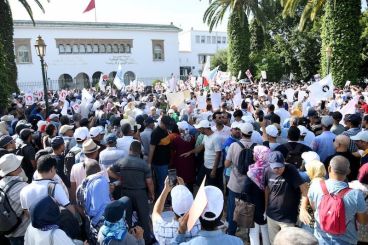
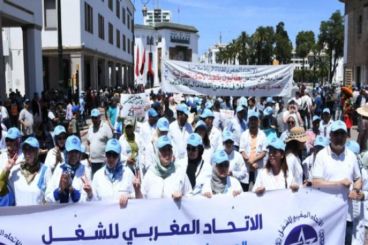
The 13th edition of the Global Rights Index, issued by the International Trade Union Confederation (ITUC), has classified Morocco among countries where workers’ rights are subject to «regular violations». The 2026 report points to a worrying global escalation in the erosion of trade union freedoms and growing pressure on workers and unions.
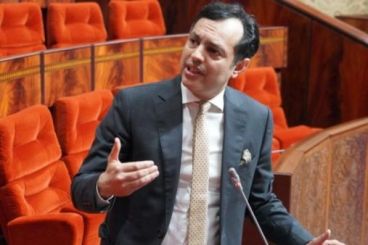
Morocco's pension reform efforts are at a critical juncture as Minister of Economy and Finance Nadia Fettah Alaoui informs the House of Councillors about ongoing discussions with trade unions, emphasizing the need for consensus amid complex challenges. Despite the government's commitment to dialogue, opposition groups criticize the lack of concrete solutions, fearing the burden may fall on workers, while the Moroccan Front warns against reforms that neglect social equity.
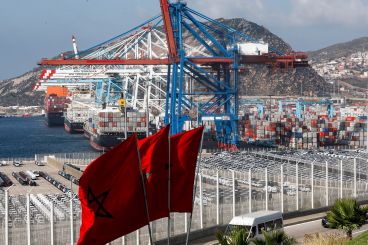
As the deadly war on Gaza continues, Moroccan trade unions are taking a stand. CDT and UNT have firmly rejected any involvement in unloading or providing logistical support to ships suspected of carrying weapons to Israel through the port of Casablanca. With the arrival of a Danish cargo ship from the United States, suspected of delivering military equipment to the Israeli army, they are calling for widespread mobilization.
The National Federation of the Agricultural Sector (FNSA) and the public utility NGO CETIM have announced they will appeal to UN mechanisms to challenge the organic law on strikes, which was passed by the Moroccan Parliament in February. The unions that participated in the general strike in response to this law point to insufficient guarantees of this right in the text.
Contrary to the figures announced by the trade unions that called for a general strike in Morocco on February 5 and 6, the government claims the national participation rate was 32% in the public sector and just 1.4% in the private sector. The day before, unions had reported an overall mobilization of over 80%.
 Les articles les plus...









 chargement...