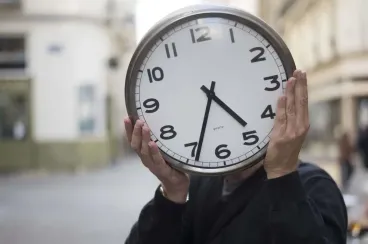
As the debate over daylight saving time reignites in Morocco, a national campaign and an online petition have emerged, urging a return to Greenwich Mean Time due to concerns over the negative impact on health and performance. Health expert Tayeb Hamdi highlights the biological disruptions caused by clock changes and emphasizing the potential risks to mental and physical well-being.
Morocco has used daylight saving time since 1918, shifting clocks forward during periods of war, energy shortages, and later as a structured policy under a 1967 decree. Made permanent in 2018, GMT+1 continues to spark criticism, with many Moroccans calling for a return to standard time (GMT).
Around fifty athletes, including Morocco’s Hakim Ziyech and Anwar El Ghazi, have signed a petition under the «Athletes 4 Peace» initiative calling on UEFA to suspend Israel from all competitions over what they describe as «genocide» in Gaza. According to The Times, most UEFA executive committee members are already leaning toward voting for Israel’s suspension, with a decision expected next week.
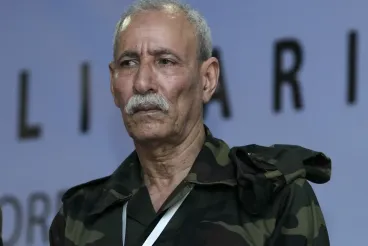
Faced with Brahim Ghali’s firm refusal to hold a Polisario congress in January 2026, opponents of his leadership are reviving calls for an «extraordinary conference to save the Polisario from collapse», while closely monitoring the upcoming UN Security Council resolution.
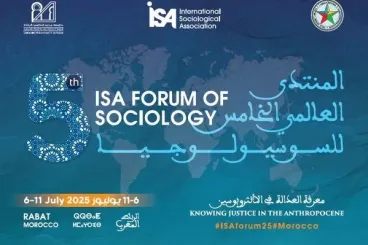
On Monday, 232 researchers from Morocco and abroad launched a petition urging the International Sociological Association (ISA) to reconsider the program for its fifth World Forum, scheduled to take place in Rabat from July 6 to 11, 2025. Although the ISA has suspended the membership of the Israeli sociological body, three Israeli researchers remain listed as participants. In response, sociologists have stepped up their mobilization efforts and announced a boycott.
 Les articles les plus...









 chargement...