Rare fossil footprints of a lizard dating back 160–170 million years have been discovered in Morocco, marking only the third such find worldwide and the first in ancient Gondwana. Beyond its scientific significance, the discovery highlights Morocco’s rich fossil heritage and the need to better preserve and promote it.
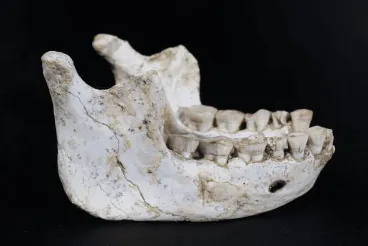
Fossils discovered in a cave in Casablanca and dated to around 773,000 years ago fill a major gap in the African hominin record and offer rare insight into a population that lived just before the split between modern humans and Neanderthals–Denisovans.
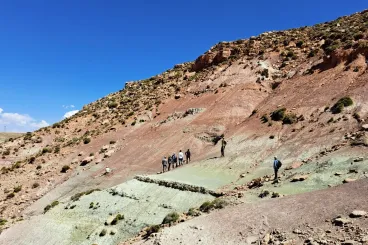
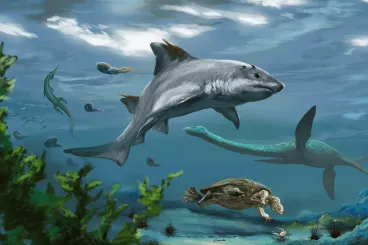
A new international study reveals that Morocco’s remote Oudiksou Basin holds one of Africa’s best-preserved records of the period surrounding the dinosaur extinction, capturing a rare transition from marine to continental environments. The site contains fossils of sharks, mammals, and dinosaurs, making it a key location for understanding how ecosystems changed before and after the K–Pg extinction event.
North Africa once had its own brown bear, the Atlas bear, which is believed to have lived in Morocco's Atlas Mountains until the 19th century. The one and only documented sighting of this beast dates back to 1841 near Tetouan.
A team of researchers has identified a new extinct shark species from dozens of isolated teeth found in 2024 in Morocco’s Sidi Chennane quarry, one of the world’s richest Maastrichtian fossil sites. The species is distinguished by unusually variable serrations, offering new insights into shark evolution just before the end of the dinosaur era.
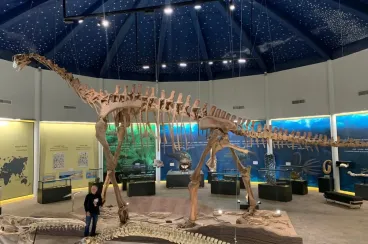
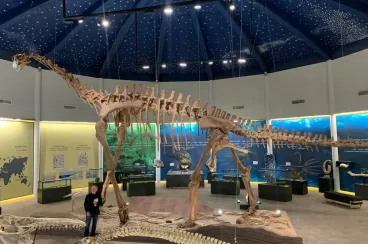
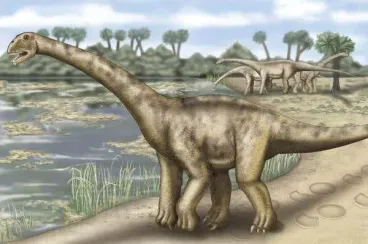
Morocco, often called a geologist’s paradise, holds some of the world’s most remarkable dinosaur fossils, from the Spinosaurus and Atlasaurus to the Anza footprints. Yet, despite this wealth, only a few museums strive to make this prehistoric heritage accessible to the public.
In a remarkable scientific achievement, an international team of researchers has discovered fossilized teeth of Turiasauria dinosaurs in Morocco’s Middle Atlas Mountains, dating back to the Middle Jurassic period, around 168 million years ago. This finding represents the oldest known evidence of this group of giant dinosaurs on the African mainland.
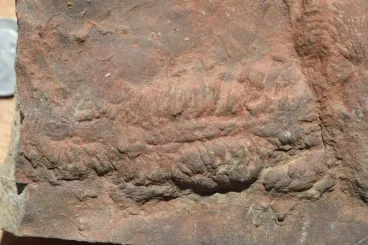
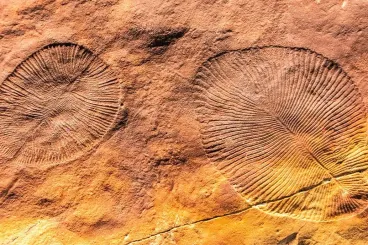
A newly documented fossil site in Morocco’s Western Anti-Atlas reveals rare evidence of the Ediacaran-Cambrian transition, a key moment around 540 million years ago when complex animal life began to emerge. The study highlights the coexistence of ancient soft-bodied organisms and early animal traces, suggesting that evolutionary innovation, not a mass extinction, drove this biological shift.
 Les articles les plus...









 chargement...