


 chargement...


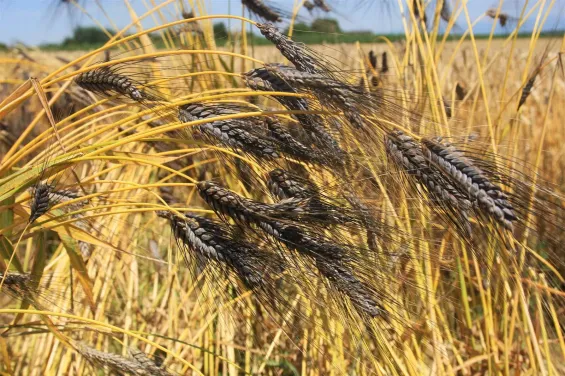
Although Morocco’s recent winter rains were below average, they still helped reduce the deficit—especially in reservoirs and wetlands that are beginning to recover, as well as in river mouths where freshwater flow has returned. In agriculture, this rainfall has eased some of the impacts of seven consecutive years of historic drought.
Regarding cereal harvests, the estimated shortfall has narrowed, though imports will still be necessary to meet national demand. Forecasts indicate that cereal production for the 2024-2025 agricultural season is expected to reach 44 million quintals, a 41% increase compared to the previous year.
Last April, Ahmed El Bouari, Minister of Agriculture, Maritime Fisheries, Rural Development, and Water and Forests, described the current season as «promising», thanks to the rainfall over the past two months following a difficult start.
At the 17th International Agriculture Fair in Morocco (SIAM), the minister highlighted improvements in the vegetative cover of autumn cereals and spring crops, as well as better livestock conditions and performance in other agricultural sectors. These gains are expected to drive 5.1% growth in the agricultural sector, compared to a 4.8% contraction last season.
Barley Varieties Better Adapted to Drought
Beyond seasonal rainfall, the upcoming harvest of cereals like barley and wheat, between May and July, benefits from varieties bred over the years to withstand climate disruptions and drought. These less water-intensive strains help sustain local production during periods of water scarcity.

At the National Institute for Agricultural Research (INRA), innovation has produced around fifty local varieties known for their adaptability. Among them are 35 types of durum wheat, soft wheat, barley, and oats, alongside 19 legume varieties including fava beans, chickpeas, and lentils.
Barley, historically the main flour source in Morocco and widely grown in the highlands, now includes varieties such as «Assiya» and «Chifaa»—the first hull-less grains registered in the national catalog. Both are distinguished by their high yields, resilience to climatic stress, and disease resistance.
The «Chifaa» variety, in particular, stands out for its nutritional benefits, including fiber, beta-glucan, and soluble polysaccharides. Other barley varieties like «Khnata» and «Ksaiba» are primarily cultivated for fodder.
More Resilient Soft and Durum Wheat
New genetic varieties of soft and durum wheat complement earlier INRA developments. These include «Jawahir», «Nachit», «Itri», «Hammadi», «Irchad», «Ibtissam», «Snina», and «Malika». They offer production capacities of 60 to 80 quintals per hectare while balancing nutritional quality, climate resilience—especially water stress—and the specific conditions of regional farms.
These varieties result from joint research between INRA and the International Center for Agricultural Research in the Dry Areas (ICARDA), aiming for nationwide adoption. The long-term goal is to achieve food self-sufficiency by improving certified seed quality and providing farmers with superior varieties.

The development of these varieties also advances research into biological crop protection methods. This approach seeks to reduce reliance on chemical pesticides and inputs, safeguarding the health of both farmers and consumers by focusing on genetic resistance to diseases.
Ultimately, this aligns with Morocco’s «Green Generation» strategy, promoting sustainable agriculture that enhances both the quantity and quality of production for the future.