


 chargement...


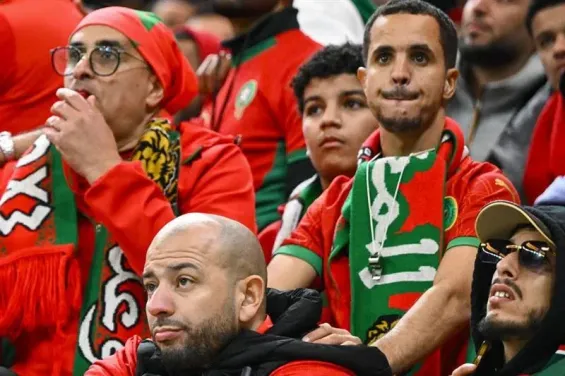
The Africa Cup of Nations final ended in heartbreak for Moroccans. The final, which represented Morocco’s closest chance of lifting the cup in decades, was marred by a series of incidents: an attempt by Senegalese fans to storm the pitch, protests by the opposing team that led to a temporary walkout, and a missed Panenka-style penalty. Together, these moments deepened the sense of frustration.
In the aftermath, social media reflected a wave of disappointment, anger, pain, and collective frustration, as Moroccans watched the trophy slip away before their eyes. Videos, stories, reels, and even memes flooded platforms, mourning the loss, blaming bad luck and refereeing decisions, or using sarcasm to express a deep sense of emotional exhaustion. Was this a form of post-match blues, or even a mini-depression? And why did it hit so hard?
«This entire competition, and the media campaign that accompanied it, gave birth to a strong feeling of hope and pride», explained Moroccan psychosociologist Mohcine Benzakour. The momentum surrounding the tournament, Morocco’s widely praised hosting conditions, and the strong performance of the national team «reinforced this hope and turned it into greater confidence» that, finally-after 50 years-Morocco would win its second AFCON title, he noted.
Because «psychologically, this hope and desire became a reality in our minds», Benzakour explained, the moment that expectation collapsed, «anger and astonishment prevailed».
Social media kept reopening the wound
Hosting the tournament further amplified these emotions, according to sociologist Chakib Guessous. «Moroccans lived this AFCON not only during the months of December and January, but for more than a year», he said. From closely following preparations to watching stadiums being renovated and driving past infrastructure works, Moroccans were immersed in the buildup long before kickoff.
Guessous compares the experience to a Moroccan wedding. «We can say that AFCON felt as if Moroccans were preparing for a family wedding. The wedding went very well and unfolded as expected, until the very last minute, when the guests were about to leave», he said. Such an ending, he added, could only lead to frustration.
This mix of frustration, anger, disappointment, and sadness affects people differently. But for Benzakour, social media «made things worse». «We are not all the same, and we do not react to disappointment and failure in the same way; some people are more vulnerable than others», he explained. But even those who tried to remain calm «were constantly exposed to online content related to this pain», which intensified negative emotions, according to him.
While some managed to distance themselves from social media, the streets offered no escape. Across Morocco, billboards and advertisements still display AFCON-related visuals featuring beloved national players. That could be a form of post-traumatic stress or (PTSD), Benzakour suggests. «After a traumatic event, people tend to relive the experience through memories, images, or dreams that bring back that painful moment», Benzakour said. «This likely explains why some people no longer want these images».
Children and faith in hard work
Benzakour also warned that these emotions may be even stronger among children, who followed AFCON with enthusiasm, admiration, and pride. «Children are particularly vulnerable to these negative feelings», he said, cautioning that disappointment could damage their belief in dreaming and hard work. «The danger lies in associating failure with identity, which can be very harmful».
Parents, schools, and the media, he stressed, should help children «express their feelings, talk openly about this loss, and understand that this is just sport». «Failure and defeat are part of the journey. Children should understand that losing is not the end of the world, that failure is also a learning experience, and that mistakes help us grow». This, he said, would help them maintain hope, believe in hard work, and retain confidence in their country.
As for adults, Benzakour called for reason in the face of impulsive reactions. «We must stop focusing only on the negative, avoid emotional impulsiveness, and keep faith in the future».
«It is expected to feel frustrated and sad, but we must continue to look ahead», Guessous echoed. «We should keep negative influences at a distance and avoid falling into extreme hatred», he stressed, referring to hateful content that emerged after the final, targeting both Moroccan and Senegalese fans.
Days after the AFCON final, the question remains: have Moroccans truly moved past the post-final blues?





 Fil Info