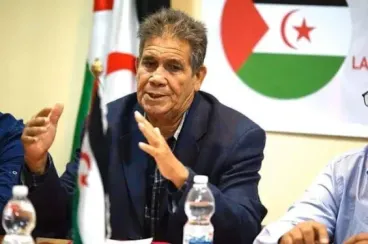
A few days after international condemnations followed the attacks targeting civilian sites in Smara, the Polisario Front is pushing back on both the political and media fronts. While denouncing what it describes as a coordinated campaign orchestrated by Western powers, the Front is carefully avoiding direct criticism of the United States, which initiated the diplomatic response following the attack.
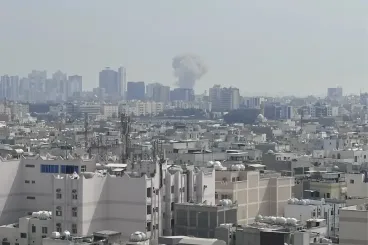
Escalating strikes in the Gulf have disrupted flights and daily life, directly impacting Moroccans in the region, with some returning home and others choosing to stay despite ongoing risks. Testimonies shared with Yabiladi reveal journeys marked by fear, financial strain, and growing uncertainty, as the crisis shifts from a security threat to a risk of job loss and instability.
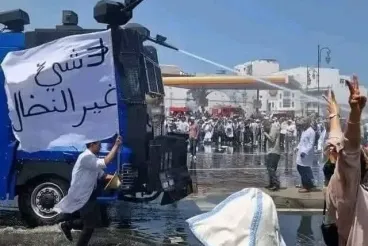
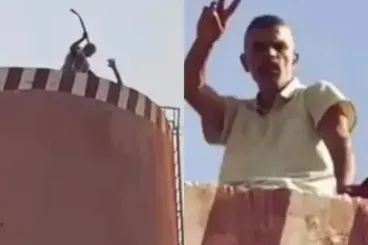
The sit-in of a man in his forties named Bouabid, atop a water tower in Beni Mellal, ended in a tragic suicide attempt early Saturday morning, following three weeks of protest over what he described as the «mysterious» death of his father. A case that had initially drawn widespread sympathy took a disturbing turn after he assaulted a member of the civil protection team, pushing the situation into a dangerous new phase.
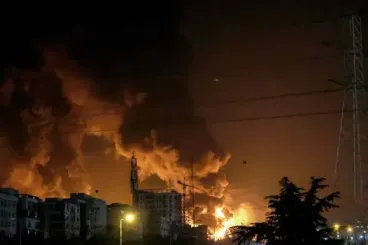
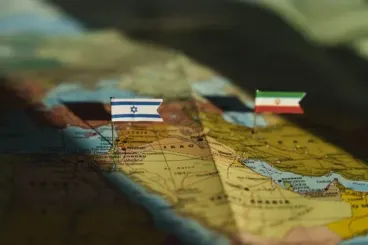
As military tensions between Israel and Iran raise concerns across the region, eight Arab and Islamic countries, including Saudi Arabia, Turkey, and Algeria, have issued a joint statement condemning the Israeli strikes. Morocco, however, chose not to take part in the initiative. Its absence has drawn attention, particularly as several political parties and civil society groups within the country have strongly denounced the offensive against Tehran.
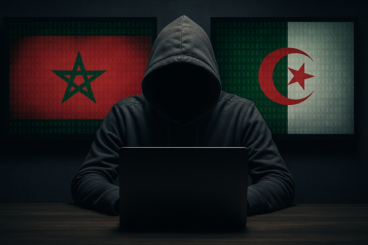
A new wave of cyberattacks is reigniting tensions between Moroccan and Algerian hacker groups. On Saturday, an Algerian collective claimed responsibility for a large-scale operation that targeted several Moroccan government websites, disrupting various online services.
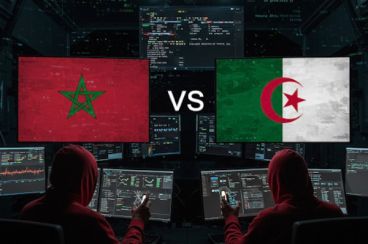
In response to the hacking of Morocco’s CNSS and Ministry of Employment by the Algerian group JabaRoot DZ, Moroccan hackers have released over 34 GB of sensitive data from Algeria’s Ministry of Pharmaceutical Industry. This latest attack marks a troubling escalation in the ongoing cyberwar between the two countries, exposing sensitive information about citizens on both sides.
 Les articles les plus...









 chargement...