


 chargement...


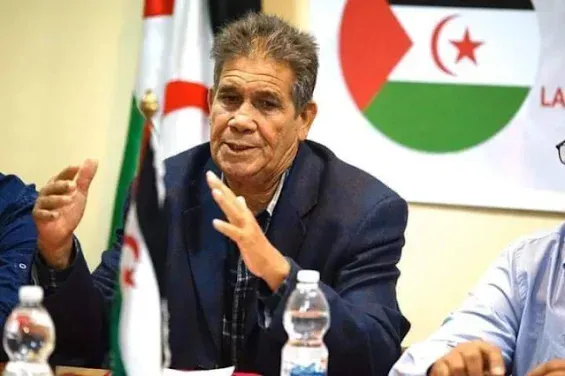
In the Tindouf camps, the Polisario took several days to formulate its response following the wave of international condemnations sparked by the May 5 attack on Smara. The reaction ultimately came from Bachir Mustapha Sayed, a historic figure within the movement and current president of the so-called «Sahrawi parliament», through a message circulated among Front leaders and relayed by media outlets close to the camps.
In his statement, the Sahrawi official denounced what he described as a «dangerous diplomatic escalation», which he attributed to coordination between permanent members of the UN Security Council and several Western capitals. According to him, this dynamic forms part of a broader effort to delegitimize the Front and its actions on the ground in connection with the Western Sahara issue.
The speech appears primarily aimed at an internal audience. Bachir Mustapha Sayed stressed the need to «resist international pressure» and called for reinforcing the movement’s communication strategy through a series of media initiatives, including press conferences in New York and several European capitals. The stated objective is to counter what he called a «disinformation campaign».
The statement comes amid a particularly sensitive diplomatic climate. Condemnations of the attacks on Smara multiplied in the hours following the reaction from the United States, which played a central role in galvanizing Western positions. Several of Washington’s allies subsequently adopted similar stances, further deepening the Front’s diplomatic isolation over the incident.
Against this backdrop, the Polisario’s rhetoric appears notably measured. While the movement denounces what it portrays as a coordinated Western campaign, it stops short of directly targeting the administration of President Donald Trump, despite Washington being at the center of the international response.
This marks a contrast with earlier periods, when the movement adopted a more confrontational posture toward the United States. In 2000, Bachir Mustapha Sayed, then responsible for the Polisario’s diplomacy, had raised the possibility of a strategic agreement involving the establishment of an American military base in a Polisario-controlled Western Sahara in exchange for U.S. recognition of the self-proclaimed «SADR».
The shift in tone reflects a more cautious approach at a time when the Polisario is seeking to preserve diplomatic channels while responding to mounting international pressure. It also highlights the tension between two competing imperatives: mobilizing its political base and avoiding a rupture with key actors within the UN system.
Finally, the continued reference to a self-determination referendum remains part of the movement’s traditional line of defense. Bachir Mustapha Sayed reiterated that the ceasefire brokered under UN auspices was never followed by the promised consultation, an option that has gradually lost prominence in Security Council resolutions since the early 2000s.



 Fil Info