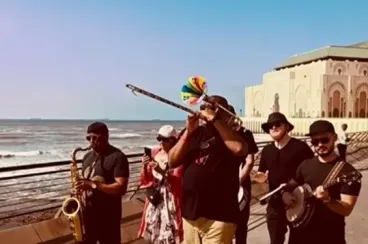
Beyond the standout lineup on the stages of the 18th Jazzablanca, held from July 3 to 12, 2025, the entire host city pulsed with the sounds of jazz. With his brass band, American trombonist Glen David Andrews brought the spirit of New Orleans to the streets of Casablanca, much to the delight of residents of all ages.
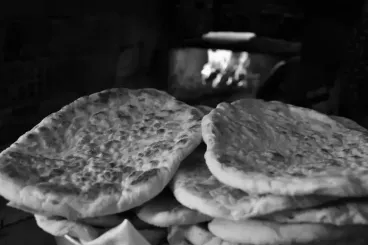
Bread is a cornerstone of Moroccan culinary traditions, and its methods of preparation reflect influences from several ancient cultures, from Mesopotamia to the western Mediterranean, including ancient Egypt and Greece. Archaeological findings suggest that bread-making may have emerged during the Neolithic era, if not earlier. In Amazigh tradition, tafarnout embodies the evolution of these age-old practices.
From the heart of the Atlas Mountains, specifically Oulmes - Aqchmir, a young woman emerged to break barriers and redefine Amazigh heritage through the dance of «Ahidous», a tradition long associated with men. Neither her age nor societal expectations stood in the way of her passion; instead, they became her strongest motivation to push forward. This is the story of Morocco’s first female leader of an Ahidous troupe.
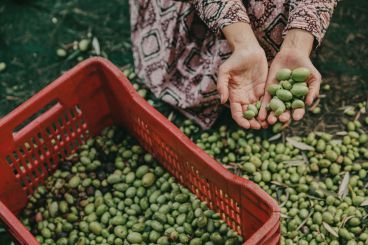
Rooted in the land and cherished for centuries, olive oil is deeply embedded in the culinary traditions of every region of Morocco, as it is throughout the Mediterranean. However, in the Jbala and Rif territories, the Alwana variety stands out for its unique fruit selection and preparation process, which includes a roasting stage. In Taounate, this expertise is passed down exclusively from mother to daughter.
Moroccan Nila, a blue powder derived from Indigofera tinctoria, has been used for centuries in beauty rituals and dyeing. Though originally introduced from India, it became a prized commodity in Morocco, especially in the Sahara, where women continue to use it for skin care and traditional treatments.
 Les articles les plus...









 chargement...