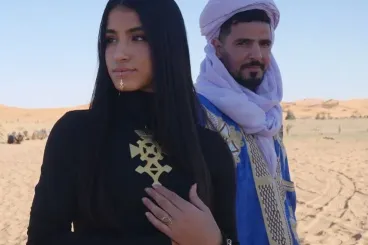
In a subtle dialogue between tradition and modernity, Moroccan entrepreneur Rim Amhaj reinterprets ancient tattoo motifs through her innovative lip jewelry brand, Ritersie. By transforming age-old symbols into contemporary, wearable pieces, she both celebrates her cultural heritage and offers a reversible alternative to permanent body art—an approach that has struck a chord with audiences in Morocco and beyond.
In 1754, Morocco witnessed one of its rarest winters, when heavy snow blanketed Fez and Rabat, an event so extraordinary it became known as «Aam Tlija», the Year of the Snowfall. Chroniclers described it as a divine sign, recalling how residents struggled to clear their roofs and streets of snow they had never seen before.
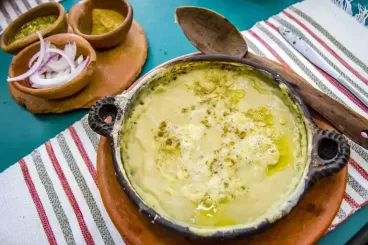
Bissara, Morocco’s humble yet historic winter dish, has been cherished for centuries for its warmth and simplicity. Made from fava beans, it dates back to the 13th century and remains a beloved staple across the country, from home kitchens to street vendors.
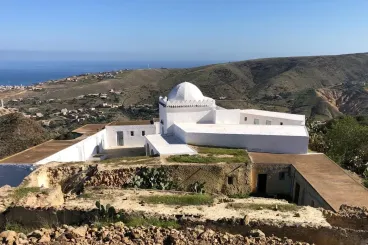
On the outskirts of the eastern Rif, a white-domed building stands alone on one of the hills of Temsamane. For centuries, it is within the mausoleum of Sidi Chaïb Ouneftah that the oral tradition of izran has flourished. Passed down primarily by women, it forms a living chronicle of history and society, sung in verse and voiced on every occasion. It is an emancipatory cry that continues to define this age-old landmark.
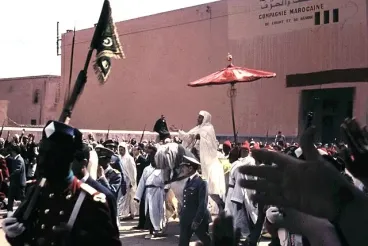
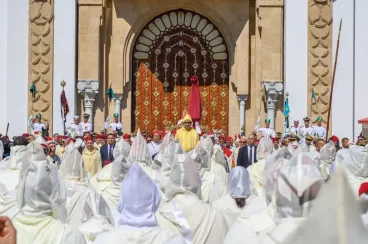
The royal parasol, «nationalized» under the Saadians, became a symbolic emblem of Moroccan kingship in public rites. Its symbolism, later amplified by European images, is now visible publicly only during the bay‘a ceremony.
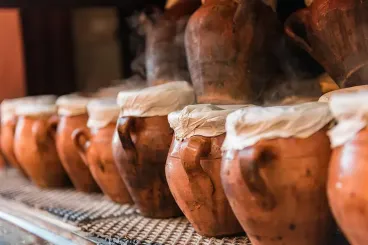
Tanjia, a slow-cooked meat dish from Marrakech, has long been tied to the city’s social and culinary traditions. Its historical significance is underscored by a 17th-century poem from scholar Abu Abdallah al-Marghiti, who described in detail how it should be prepared and cooked.
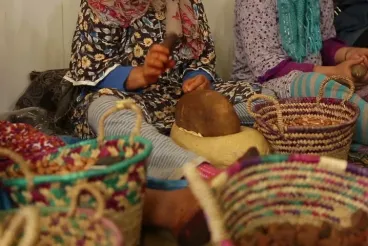
While olive oil is a well-known cultural tradition in Morocco and across the Mediterranean, argan oil stems from a carefully preserved heritage upheld by communities that have long depended on it. In its native region, this ancient tree symbolizes both the roots and the continuity of a way of life in harmony with nature, passed down from generation to generation.
Moroccan wedding cuisine preserves centuries-old culinary traditions, with dishes like roasted chicken, lamb, pastilla, and Kaab el Ghazal tracing back to 12th- and 13th-century cookbooks from the Almohad era. Recipes from that time, recorded in manuscripts from al-Andalus and Morocco, reveal striking similarities to the festive meals still served at weddings today.
 Les articles les plus...









 chargement...