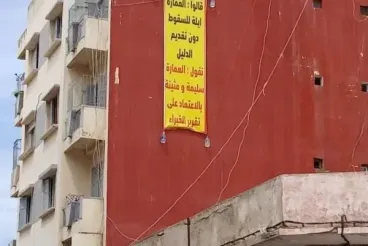
In what has been described as an «arbitrary» move, public authorities began demolition operations on Monday morning targeting several buildings in the heart of Casablanca’s old city, including one belonging to the family of resistance fighter Haj Ali El Manouzi. The action has sparked anger and protest from family members.
A declaration of love to both ancestral and contemporary music, or proof that musical heritage thrives when embraced within a living, evolving dynamic. The duo Aïta mon amour captures all of this in their album Abda, named in tribute to the Moroccan region known as the cradle of aïta. At the 18th edition of the Jazzablanca Festival, the pair—Widad Mjama and Khalil EPI—offered their audience an experience that was both festive and transcendent. In a seamless symbiosis,
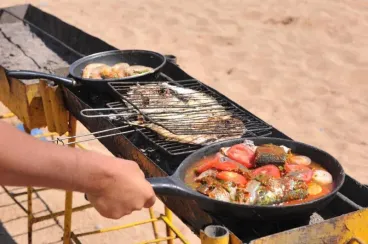
Summer in Morocco means enjoying quick savory foods and drinks: fried beignets by the beach, fish tagines, and barbecues with family. Similar dishes can be traced back to the Almohad period. Let’s discover them together.
For as long as he can remember, Larbi Sahraoui has had a deep-rooted passion for traditional Moroccan clothing, which he began sketching as a child. Though far from his hometown of Larache, it was in Granada and later Paris that the now internationally recognized fashion designer honed his craft. Under his professional name, Leo Norma, he reimagines the Moroccan caftan, transforming it into bold, contemporary pieces infused with the timeless elegance of this ancestral garment.
 Les articles les plus...









 chargement...


![Aïta mon amour at Jazzablanca 2025 : «Moroccans are great partygoers!» [Interview]](https://static.yabiladi.com/files/articles/yabiladi.a3117c0f10d74f8847e32f9296b2bf0520250707155855chaabi-.webp)