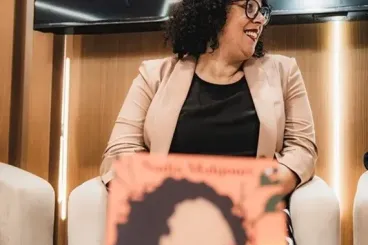
Born in Australia, Nadia Mahjouri only discovered the truth about the other half of her parental heritage when she traveled to her Moroccan father's homeland. Motherhood made her realize the importance of passing on stories, which inspired her writing project that culminated in her debut novel, «Half Truth». She shared the journey of its creation during the SIEL 2026 in Rabat.
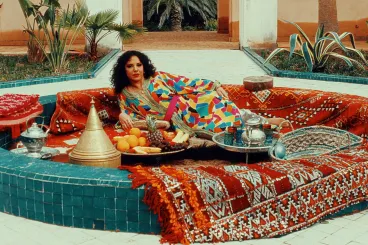
Moroccan-Brazilian artist Lala Tamar traces her journey through Moroccan musical traditions, shaped by direct learning with maâlems and a deep connection to Gnawa culture. Blending multiple influences, her music is a personal exploration of identity, heritage, and transmission.
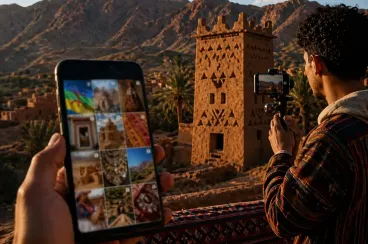
Scroll through Moroccan social media, and you are likely to come across content in Darija, French, or English. But increasingly, another language is making its way onto screens: Tamazight, driven by a new generation of creators bringing it into the digital spotlight.
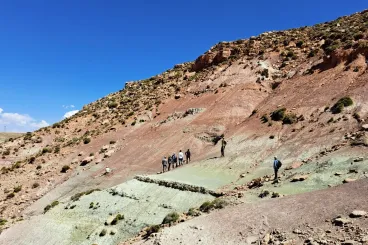
Rare fossil footprints of a lizard dating back 160–170 million years have been discovered in Morocco, marking only the third such find worldwide and the first in ancient Gondwana. Beyond its scientific significance, the discovery highlights Morocco’s rich fossil heritage and the need to better preserve and promote it.
 Les articles les plus...









 chargement...