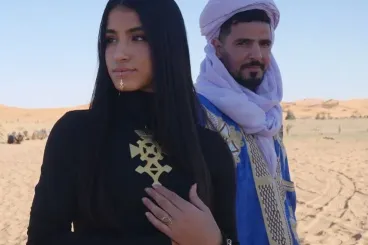
In a subtle dialogue between tradition and modernity, Moroccan entrepreneur Rim Amhaj reinterprets ancient tattoo motifs through her innovative lip jewelry brand, Ritersie. By transforming age-old symbols into contemporary, wearable pieces, she both celebrates her cultural heritage and offers a reversible alternative to permanent body art—an approach that has struck a chord with audiences in Morocco and beyond.
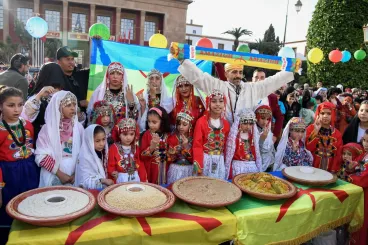
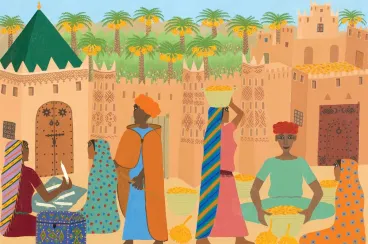
The Amazigh New Year, or Yennayer, stands as a testament to Morocco's rich cultural tapestry, intertwining ancestral rites with modern celebrations. Rooted in agricultural traditions and marked by inclusivity, this millennia-old festivity not only honors the enthronement of Pharaoh Sheshonq I but also embodies the enduring values of sharing and coexistence at the heart of Moroccan society.
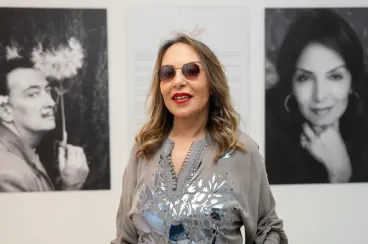
Since the 1980s, Zhor Raïs’s creations have stood out for the distinctive signature of a Moroccan designer whose abundant creativity bridges traditional craftsmanship and contemporary expression. Drawing on a rich diversity of influences, she now celebrates the surrealist universe of Salvador Dalí, infusing it with an intergenerational elegance that reaffirms the caftan’s timeless relevance.
Belgian-Moroccan filmmaker Karima Saïdi delves into the rich tapestry of migration stories, crafting a cinematic dialogue that bridges generations and cultures. Through her documentaries, Saïdi explores themes of memory, identity, and coexistence, offering a poignant reflection on the shared narratives that connect the living with their ancestral roots.
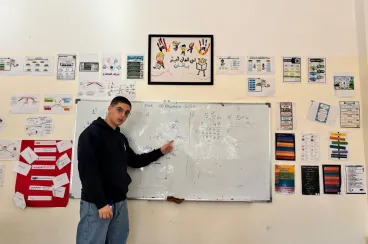
Raised in the UK, Eliav Amouyal, the grandson of Moroccan Jews, sees Morocco as «his heritage and roots», a bond that inspired him to give back to the country. Through Ta’leem Trust, an education-focused NGO he founded while still in high school, he provides maths, languages, and financial literacy classes to disadvantaged children in Casablanca, particularly orphans and students from vulnerable backgrounds.
 Les articles les plus...









 chargement...