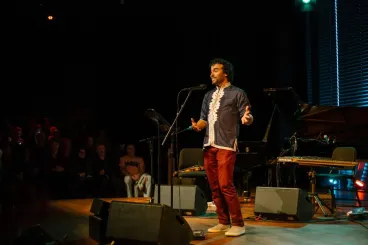
A passionate enthusiast of history and the performing arts, Mohamed Aadroun combines his three areas of interest through the Andalusian Orchestra of Amsterdam (AAO), which he co-founded. As the artistic director, he has curated musical performances that have played a key role in promoting Andalusian music in the Netherlands. Through this initiative, he weaves his own family heritage into a contemporary cultural movement that is open to the world.
Walking across Morocco, from Fès to Laayoune, to celebrate national heritage and inspire collective commitment: this is the ambitious journey launched by Khadija Gamraoui, a prominent figure in the Franco-Moroccan diaspora, marking the 50th anniversary of the Green March. Her initiative, the «March of the Women of the Diaspora», weaves together symbolism, memory, femininity, and intergenerational transmission.
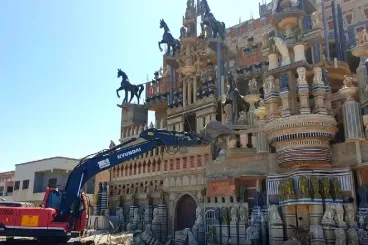
Salé authorities began demolishing the iconic but unofficial landmark of the city «Villa Seboua», sparking protests from the owner’s family. Human rights groups supported the demolition, calling it a crucial step to enforce building laws and promote fair urban planning.
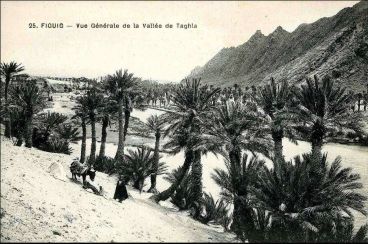
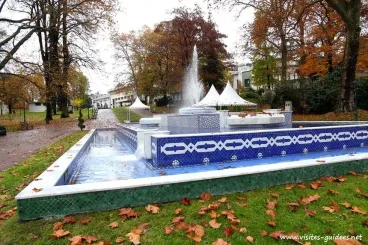
Between North Africa and the Iberian Peninsula, a shared caliphal past has fostered a rich blend of cultures, knowledge, expertise, and traditions. These influences are still visible today—in lifestyles, daily routines, and even public affairs—shaped by a pivotal historical era. From this period, enduring and intricately woven practices of water management have emerged, taking diverse forms across Morocco.
 Les articles les plus...









 chargement...