Batbout Maammar, the mini stuffed flatbread now inseparable from Moroccan iftar tables, blends medieval bread tradition with modern, internet-born creativity. Practical, affordable and easy to prepare, it has become a Ramadan staple in both homes and bakeries alike.
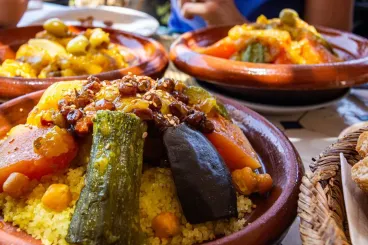
Morocco’s medieval culinary tradition reveals couscous recipes far more diverse than today’s familiar version, ranging from fava-bean couscous and turnip-green couscous to preparations made from bread crumbs or even stuffed inside a roasted sheep’s belly.
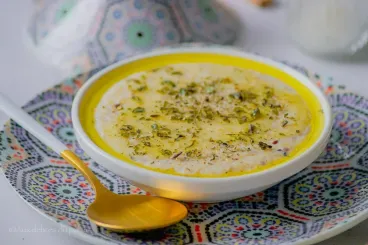
Morocco’s age-old winter tradition of serving warm, comforting dishes like hssoua and rice with milk continues to reflect recipes found in 13th-century Moroccan and Andalusian cookbooks. These medieval texts reveal that dishes still common today, made from simple ingredients such as flour, bread crumbs, milk, and honey, were already staples of Almohad cuisine centuries ago.
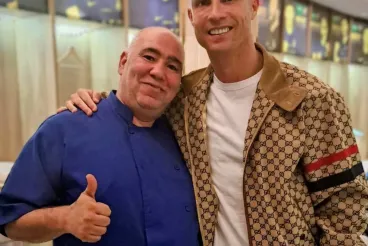
From the bustling kitchens of Casablanca to the opulent halls of Saudi Arabia's royal palace, Mohammed Cherif Kadmiri's culinary journey reflects a blend of passion, perseverance, and Moroccan pride. Now head chef for Al-Nassr Football Club, he shares his love for Moroccan cuisine with international stars, including Cristiano Ronaldo, while opening a new chapter with his restaurant, Bab Al-Maghrib, in Riyadh.
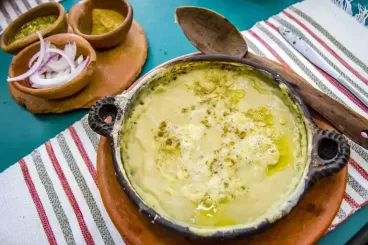
Bissara, Morocco’s humble yet historic winter dish, has been cherished for centuries for its warmth and simplicity. Made from fava beans, it dates back to the 13th century and remains a beloved staple across the country, from home kitchens to street vendors.
Moroccan wedding cuisine preserves centuries-old culinary traditions, with dishes like roasted chicken, lamb, pastilla, and Kaab el Ghazal tracing back to 12th- and 13th-century cookbooks from the Almohad era. Recipes from that time, recorded in manuscripts from al-Andalus and Morocco, reveal striking similarities to the festive meals still served at weddings today.
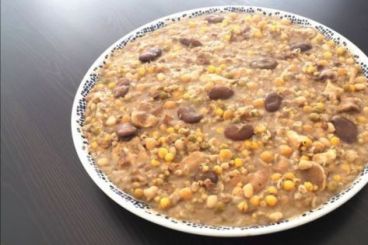
During the Amazigh New Year, a moment of gratitude and celebration of the earth's abundance, the dishes prepared for this occasion are primarily based on the year’s harvest. For this reason, the Yennayer table is uniquely enriched with dishes made mostly from seeds or greens, and occasionally with dried meats. Ourkimen is one such preparation.
 Les articles les plus...









 chargement...