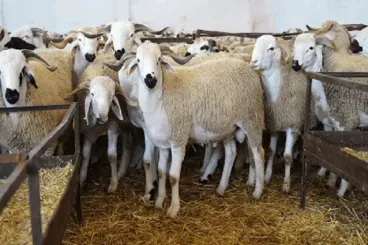
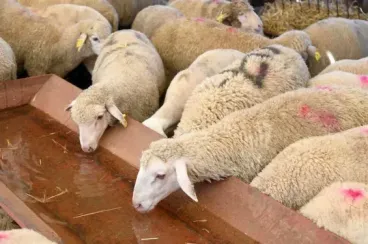
Following the Istiqlal Party’s questions on August 28 about Morocco’s official livestock figures, the PPS stepped in on Wednesday, calling for an urgent meeting in the House of Representatives to address the issue.
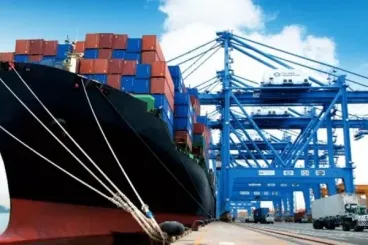
Thanks to its free trade policy, Morocco has undeniably become the economic bridge between Europe and Africa. While the results of this approach are well illustrated in the industrial sector, the contrasts they reveal in agriculture raise questions about the local distribution of these benefits.
A team of Moroccan researchers has produced the first national high-resolution maps of phosphorus and potassium levels in Morocco’s croplands using machine learning and thousands of soil samples. The freely available maps aim to improve fertilizer recommendations, support precision farming, and promote sustainable agriculture.
 Les articles les plus...









 chargement...