As Morocco ushers in 2026 with heavy rains that have ended a seven-year drought, the country braces for the impact of Storm Francis, a powerful weather system bringing low temperatures, intense rainfall, and strong winds. With red and orange alerts issued across several regions, experts warn that these extreme weather events, exacerbated by climate change and La Niña, demand urgent adaptation and readiness from local authorities.
Since the beginning of December 2025, near-daily rainfall across several regions of Morocco appears to be breaking the worrying cycle of seven long years of historic drought. While reservoir fill rates still show disparities between northern and southern basins, the positive impact is expected to continue in the coming months.
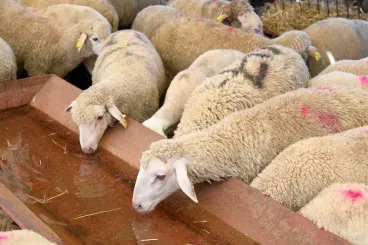
In 1963, 1981 and 1996, the late king Hassan II ordered Moroccans to call off Eid al-Adha. Not celebrating the annual feast was due to several reasons such as the economic crisis, drought and the state of the herd; however, these explanations convinced Moroccans only twice.
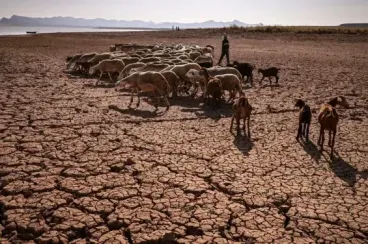
Amid growing international warnings over the escalating global water crisis, a new United Nations report has drawn attention to the alarming situation in Morocco, where droughts are becoming increasingly severe and frequent. The report offers a stark outlook for the country’s water future, placing Morocco among the nations most at risk of «extreme water scarcity» by 2050, unless urgent and decisive action is taken.
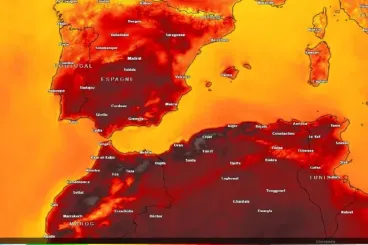
As the World Meteorological Organization has warned over the past week about the almost irreversible warming of the planet, Morocco is already preparing for potential scenarios that could disrupt its national and regional characteristics. This is because changes have been noticeable for years now, with historical drought periods and unseasonal temperature spikes.
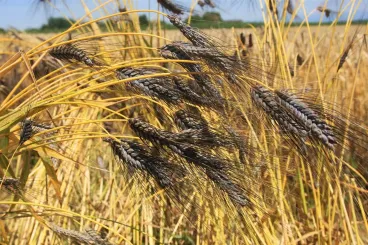
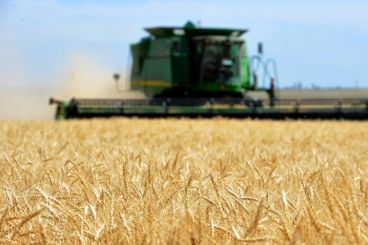
After the barley harvest, Morocco’s wheat harvest is now in full swing, running from late May through July. While the country still faces a deficit that will require imports, this year’s rainfall has helped offset part of the expected shortfall. Progress has also been driven by research, which has led to the development of more drought-resistant varieties.
 Les articles les plus...









 chargement...