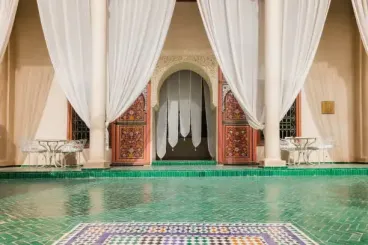
Marrakech is rich in history and culture, with stunning palaces, gardens, and museums to explore both inside and outside the medina. This guide highlights the city’s must-see sites, including iconic riads, the Majorelle Garden, the YSL Museum, and the Mohammed VI Museum for Water Civilization.
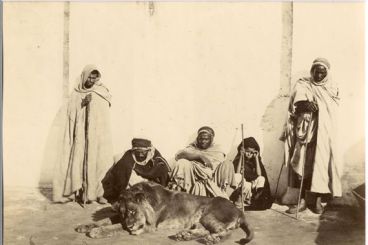
Lions in Morocco were hunted using complex methods, including deep pits and trapdoors. These animals were captured alive for political and diplomatic purposes, including as gifts and tools to enforce fear.
Speaking at the International Publishing and Book Fair (SIEL 2025) in Rabat, which runs until April 27, Belgian-Moroccan academic Hassan Bousetta presented his book, Entre Deux Rives, published by Maha Editions. Supported by the Council of the Moroccan Community Abroad (CCME), the doctor of political and social sciences offers a historical, political, and contemporary analysis of the evolving relationship between the two countries, shaped by migrations that have profoundly influenced human
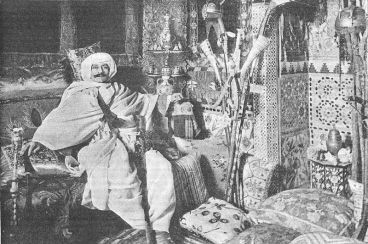
A passionate traveler, a member of the French navy, a reporter, and an illustrator, Pierre Loti documented his journeys across Europe, America, Asia, and Africa. Immersed in his adventures and missions, he was profoundly marked by his trip to Morocco, to which he dedicated an extensive work. This emotional connection shaped his relationship with the Arab-Muslim world.
The fall of Granada in 1492 marked the end of Muslim rule in Al-Andalus. By the late 15th century, Spanish and Portuguese expeditions had begun in Latin America, ushering in the era of conquest. As a result, across the Atlantic, local culinary traditions absorbed influences brought by the Andalusians, who had inherited culinary practices from North Africa and the Arab world. This fusion gave rise to specialties that would later make regions such as Peru, Brazil, and beyond renowned.
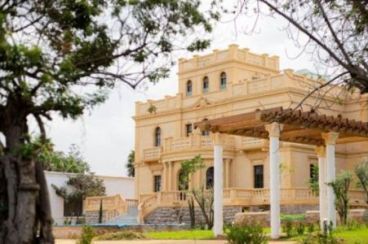
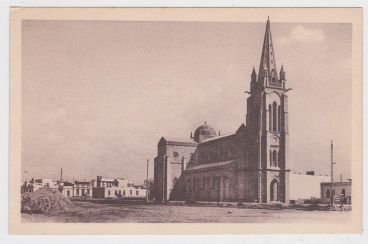
Casablanca’s Al-Quds Mosque, formerly Église Sainte-Marguerite, is a rare Neo-Gothic structure originally built in the 1920s for Spanish and Italian settlers. Converted into a mosque in the 1980s, it retains its architectural heritage while serving as a place of worship and cultural interest.
 Les articles les plus...









 chargement...