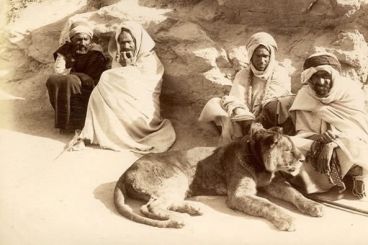
In 1200s, a royal zoo in London housed Barbary lions among other exotic wild animals. The skulls of these lions were discovered centuries later by scientists who suggested that they belong to Atlas Lions that lived between Morocco and Egypt.
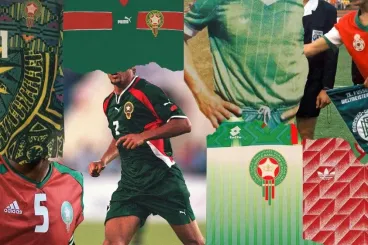
Morocco’s jersey history is a whole fashion saga, from the bold, graphic madness of the 80s and 90s to the sleek, modern designs of today. If AFCON had a runway, the Atlas Lions would qualify twice: once for football, and once for their fearless sense of style.
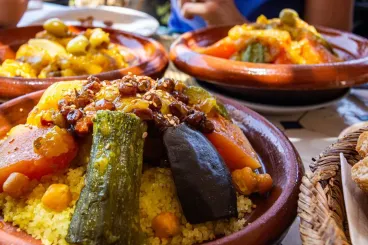
Morocco’s medieval culinary tradition reveals couscous recipes far more diverse than today’s familiar version, ranging from fava-bean couscous and turnip-green couscous to preparations made from bread crumbs or even stuffed inside a roasted sheep’s belly.
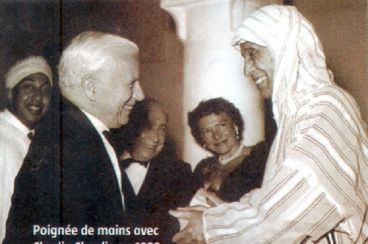
Iconic actor Charlie Chaplin visited Morocco in the 50s meeting the country’s most powerful Pasha, Thami El Glaoui. In Tangier, the comic actor has attended a slapstick performance.
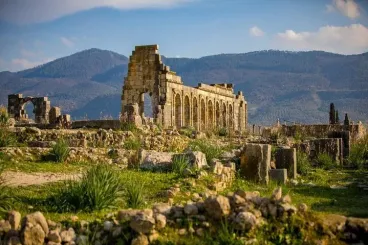
Some Moroccans proudly speak of their «kingdom of twelve centuries», tracing statehood back to Idris I in 788 AD. But the story doesn’t begin there. Centuries earlier, the Kingdom of Mauretania rose on this soil, a Berber monarchy that minted its own coins, struck alliances, and faced down Rome. With rulers like Baga and Bocchus, it challenges the familiar tale and reveals Morocco’s deeper, forgotten roots.
Moroccan wedding cuisine preserves centuries-old culinary traditions, with dishes like roasted chicken, lamb, pastilla, and Kaab el Ghazal tracing back to 12th- and 13th-century cookbooks from the Almohad era. Recipes from that time, recorded in manuscripts from al-Andalus and Morocco, reveal striking similarities to the festive meals still served at weddings today.
 Les articles les plus...









 chargement...