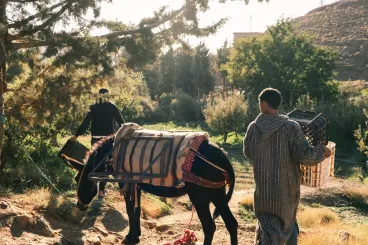
With 17.4 million visitors in 2024, Morocco has become Africa’s top tourist destination, breaking records year after year. But at what cost to the land and its people? On the International Day of Responsible Tourism, voices like Said Marghadi’s—founder of the Touda ecolodge in Aït Bouguemez—call for a new approach that puts sustainability and respect for local communities at the heart of tourism.
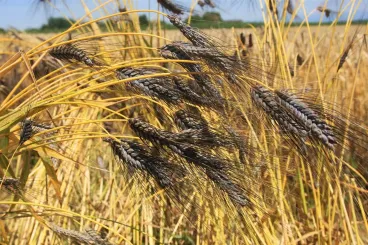
After the barley harvest, Morocco’s wheat harvest is now in full swing, running from late May through July. While the country still faces a deficit that will require imports, this year’s rainfall has helped offset part of the expected shortfall. Progress has also been driven by research, which has led to the development of more drought-resistant varieties.
Between North Africa and the Iberian Peninsula, a shared caliphal past has fostered a rich blend of cultures, knowledge, expertise, and traditions. These influences are still visible today—in lifestyles, daily routines, and even public affairs—shaped by a pivotal historical era. From this period, enduring and intricately woven practices of water management have emerged, taking diverse forms across Morocco.
 Les articles les plus...









 chargement...