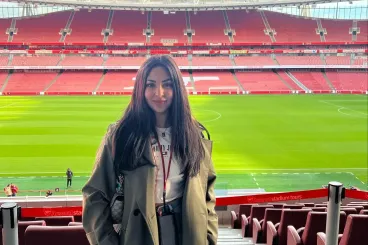
Moroccan-Spanish sports journalist Leyla Hamed spent years moving through the world of elite European football, covering clubs like Arsenal, Manchester City, and Chelsea and rubbing shoulders with some of the game’s biggest names. But Morocco’s historic 2022 World Cup run in Qatar marked a turning point, inspiring her to move beyond tactics and match reports to tell more human stories.
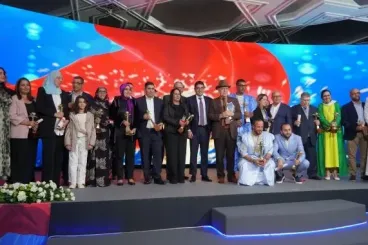
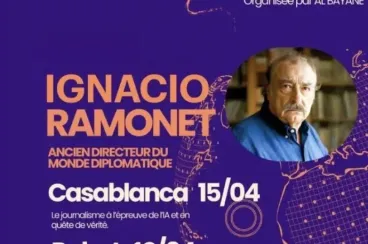
In Casablanca, Ignacio Ramonet captivated his audience by discussing the silent revolution that artificial intelligence represents for journalism, comparing its impact to that of Gutenberg's printing press. In a world where certainties are wavering, he poses the question: what becomes of the truth when machines partake in human reasoning?
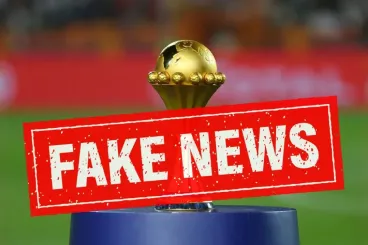
The AFCON Morocco–Senegal final sparked an unprecedented wave of misinformation, with false claims spreading rapidly from social media to newspapers. Moroccan journalists, navigating this surge, navigating this wave, share their views on the phenomenon, the race for clicks, and the growing impact of misinformation on media credibility.
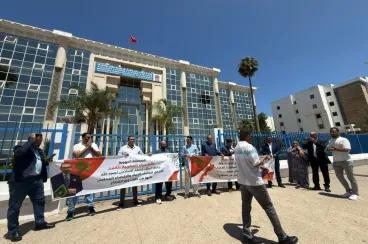
In the hushed corridors of African football, there are official decisions, and then there are unofficial conversations. This is hardly unusual in an environment where sport, power, money, and politics intersect. However, what has unfolded in recent days within Confederation of African Football goes beyond routine influence. It reflects a blatant and openly acknowledged blurring of roles, with journalists exerting pressure on the Executive Committee, even as they claim to expose
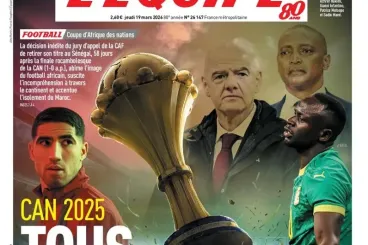
An unverified statement made on a television set has sparked a media storm, turning an unfounded rumor about Morocco during the 1976 Africa Cup of Nations into a "truth" propagated by reputable sports media. L'Equipe, BeIN Sports, Koora, Goal—all have fallen into the trap of buzz at the expense of journalism.
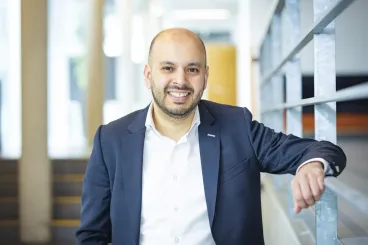
Abdou Bouzerda, a Moroccan-Dutch journalist, built his career covering Middle Eastern affairs thanks to his mastery of Arabic, which allowed him to report on developments such as the Syrian war and the rise of ISIS. Now an analyst at the Dutch broadcaster VPRO, he provides insights into the region’s conflicts and their global implications.
Mustapha Esadik, a Dutch-born journalist and teacher of Rif origin, has just released his book Football Champions of Africa, which explores political, social, and historical themes across 11 African countries through the lens of football. He describes its publication as a «long-held dream» and now hopes to secure translations in French, Arabic, and English to reach readers across Africa and its diaspora.
 Les articles les plus...









 chargement...


![When journalists become lobbyists at CAF [Editorial]](https://static.yabiladi.com/files/articles/yabiladi.af96dabd68ab7ae4e2840fa10f0d121820260330144951chaabi-.webp)