Over the past two decades, Morocco has witnessed major archaeological breakthroughs that have reshaped international research. Beyond confirming the country as a rich reservoir of prehistoric heritage, these discoveries and the scientific data they generated are redrawing timelines and rewriting the story of humanity. Researchers recently highlighted the scope of these changes.
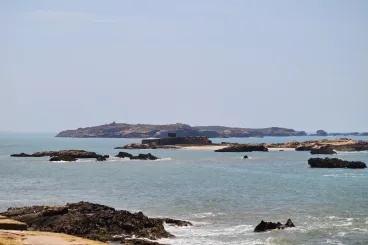
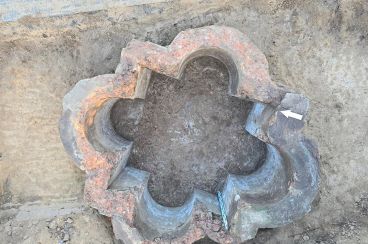
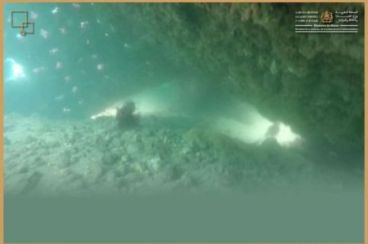
Fossilized brachiopods found on Mogador Island puzzle researchers, they’re over 100 million years old, yet buried in Roman-era layers. Experts believe they were purposefully collected and stored, possibly traded as curiosities or used in ancient rituals.
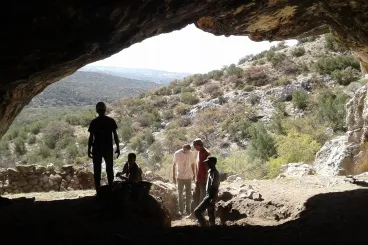
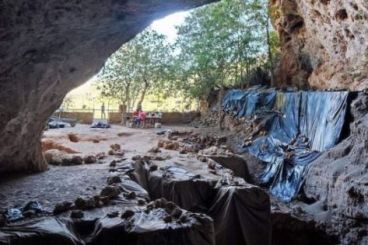
In Morocco, the expansion of forest cover marked a pivotal moment in population dynamics and land use during the Late Stone Age, as demonstrated by a study conducted at the Taforalt and Rhafas caves. Published on Thursday, the findings shed light on the significant reorganization of hunter-gatherer lifestyles in North Africa during the Greenland Interstadial 1 climate interval.
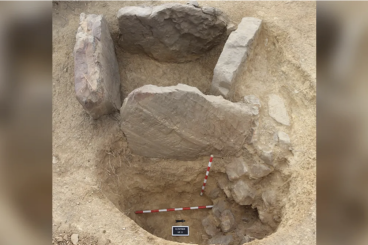
Archaeologists have discovered ancient cemeteries, standing stones, and rock art on the Tangier Peninsula, revealing a rich prehistoric landscape dating from 3000 to 500 BCE. The findings include the first radiocarbon-dated cist grave in northwest Africa and unique engravings that suggest complex burial and ritual traditions.
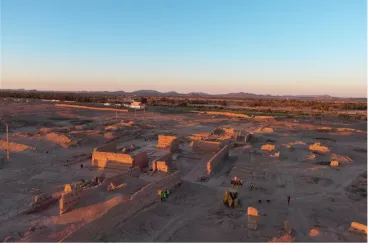
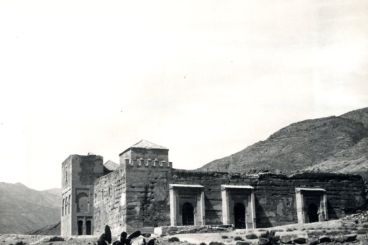
In its second year, a multidisciplinary scientific project currently being conducted by Moroccan and French researchers in Tinmel is uncovering exceptional artifacts related to the construction of the Almohad civilization (1121 – 1269). This project is already allowing archaeologists to assert that their discoveries speak volumes about the extent of the social organization of the time, with a significant influence on subsequent dynasties.
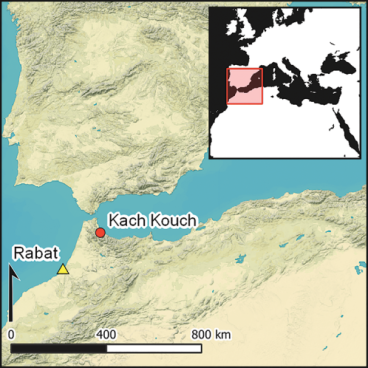
At the site of Kach Kouch, in the province of Tetouan, a group of Moroccan researchers unearthed the first known protohistoric village in the Maghreb. This unprecedented discovery confirms the existence of an early Bronze Age settlement predating the arrival of the Phoenicians in the Maghreb region.
Ephedra, an ancient medicinal plant, was used in funerary rituals and possibly for therapeutic purposes by prehistoric communities in Morocco, accoring to a Nature recent study. Fossilized plant remains found in the Grotte des Pigeons indicate the symbolic and medicinal significance of plants among the Iberomaurusians, early hunter-gatherers in North Africa.
 Les articles les plus...









 chargement...