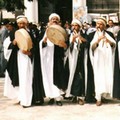
Monitoring intellectual output is a key indicator of the vitality of a country’s publishing sector and the broader development of its cultural and intellectual landscape. In Morocco, both the National Library of the Kingdom of Morocco and the King Abdul Aziz Al Saud Foundation for Islamic Studies and Human Sciences have released their annual reports on publishing activity. However, the figures they present differ significantly, raising a key question: which source provides
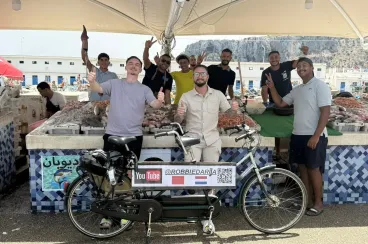
During lockdown, Rotterdam native Robbie began learning Darija to better connect with Moroccan patients and neighbors in the Netherlands. His journey—from TikTok videos to solo travels across Morocco—turned into a cultural adventure filled with laughter, hospitality, and a growing love for Moroccan languages.
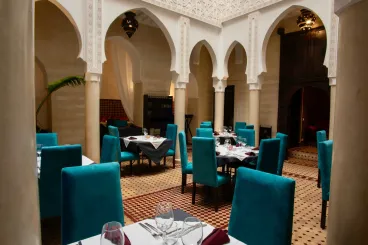
Can one reclaim their language enough to use it in everyday life, despite its imperfections? Whether codified, spoken, written, oral, dialectal, or undervalued, can it truly become one’s own again when emotional, cultural, conventional, and psychosocial barriers come into play? Psychiatrist Dr. Wadih Rhondali, a specialist in psycho-oncology and neuroscience, explores these questions through the lens of his personal and professional journey between Morocco and France.
In the village of Armed, Mohamed Ait Mbarek lives a life he has woven with his own hands—much like the rugs that have become his livelihood. Clad in his Amazigh robe and white turban, he welcomes visitors with a calm smile and fluent English. Though he never attended school, his experience with tourists and his curiosity for learning have opened many doors, taking him from mountain guide to online entrepreneur.
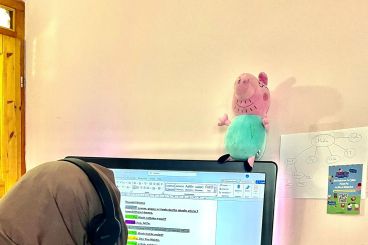
Hajar Tanjaoui, a Moroccan mother in Germany, began translating and dubbing Peppa Pig episodes into Darija to help her children and other Moroccan kids abroad learn Darija.
 Les articles les plus...









 chargement...




![Blocked language : When memory speaks but words refuse to follow [Opinion]](https://static.yabiladi.com/files/articles/yabiladi-8aa881b342e849b3100edeedf04fbc1420250516153931chaabi-.webp)