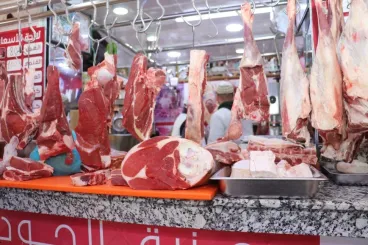
Despite a season of abundant rainfall improving grazing conditions in Morocco, red meat prices remain stubbornly high, creating a paradox that worries consumers ahead of Eid al-Adha. Experts attribute the situation to a tight supply exacerbated by breeders holding onto livestock for fattening, compounded by the lingering effects of past droughts and rising import costs.
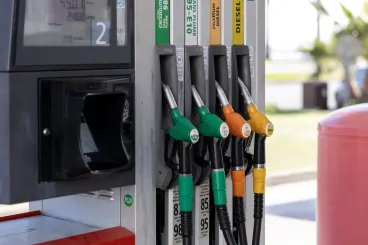
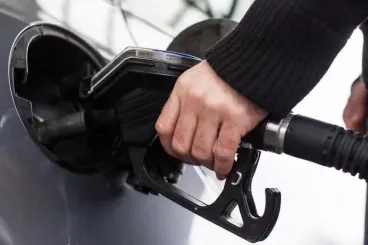
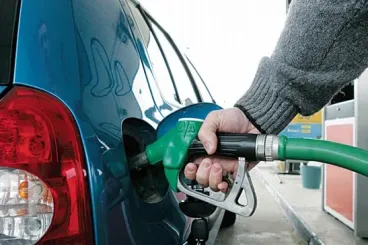
The latest increase in fuel prices in Morocco, implemented between the end of March and the beginning of April, is placing additional pressure on purchasing power. On the professional side, representatives of service station managers also express uncertainty and point to the influence of major distributors.
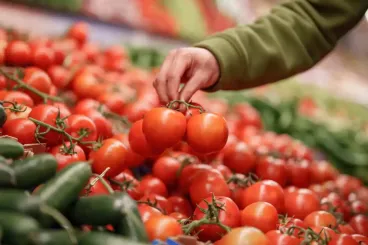
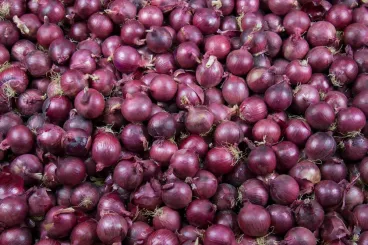
In several markets across various regions of Morocco, the increase in the price of local onions is widespread. Several factors are at play, including the end of the season, the challenges in preserving the product, as well as attractive export opportunities to other markets on the African continent.
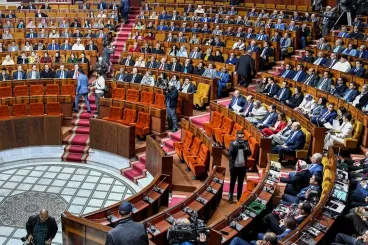
The recent spike in fuel prices in Morocco has sparked a wave of discontent. Lawmakers are pressing the government for transparency and action, questioning the rapid price hikes, inadequate fuel reserves, and the effectiveness of regulatory measures in safeguarding the country's energy security.
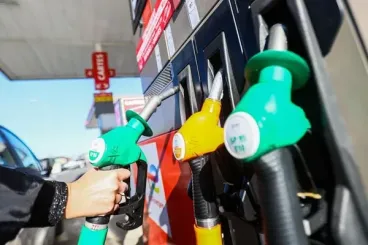
Since yesterday, gas prices in Morocco have increased, prompting many motorists to rush to stations to fill their tanks before the new rates took effect. Meanwhile, some stations temporarily closed, citing depleted stocks, which angered customers and led consumer protection associations to call on the government to intervene and regulate the market.
 Les articles les plus...









 chargement...