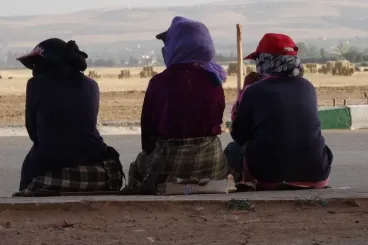
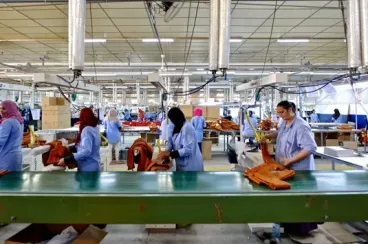
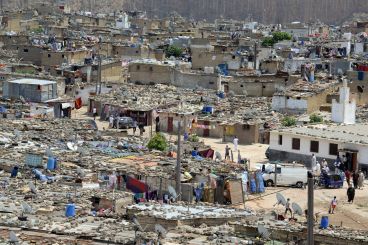
In Morocco, the number of young people aged 15 to 29 who are neither employed, in school, nor in training (NEET) stands at 2.9 million. Among them, 72% are women and girls, according to a new report by the High Commission for Planning (HCP), in partnership with the ILO and the EU. Speaking to Yabiladi, sociologist Hakima Laala analyzes the complex process that leaves these individuals at the edge of despair.
Moroccan women are living longer and becoming more educated, yet they remain underrepresented in the labor market and decision-making roles. The latest HCP report shows persistent gender gaps in employment, income, and access to education, particularly in rural areas.
Economic constraints remain the main reason for creating informal production units, especially among women. In its National Survey on the sector, the High Commission for Planning (HCP) reveals that women working in informal production units (IPUs) are more likely to enter this sector out of necessity, using it as an alternative to complete inactivity and the difficulties of accessing the formal job market.
In 2023/2024, Morocco’s output in literature, humanities, and social sciences totaled 3,725 titles, with an average annual production of 1,863—a 6.98% increase. While the King Abdul-Aziz Al Saoud Foundation for Islamic Studies and Humanities acknowledges national efforts, it also highlights persistent structural challenges and the growing presence of Moroccan authors abroad.
Between 2014 and 2022, Morocco's households saw an increase in average annual expenditure, with rural areas experiencing slower growth compared to urban areas. Social disparities worsened, with the poorest and wealthiest groups seeing improvements, while the middle class faced stagnation in living standards.
A study conducted by the Arab Barometer confirmed that digital inequalities in Morocco and in many Arab countries remain «persistent».
 Les articles les plus...









 chargement...