


 chargement...


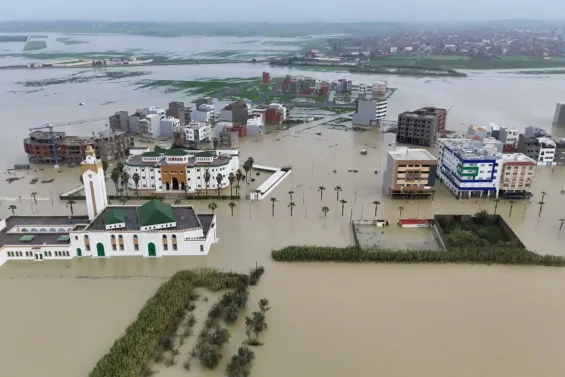
The National Human Rights Council (CNDH) has released preliminary findings on the management of the recent floods that affected several regions of the Kingdom, assessing the response in light of relevant international standards.
The council welcomed the gradual return of evacuated residents to their homes following the «rehabilitation of several devastated areas and the restoration of their habitability in conditions that preserve human dignity». It also positively noted the authorities’ handling of the relocation process, carried out under a multi-dimensional logistical plan that mobilized various means of transportation.
CNDH praised the swift intervention of local authorities to anticipate flood risks by deploying rescue resources and evacuating more than 180,000 citizens across several regions. It further highlighted citizens’ cooperation with the measures taken, as well as efforts to ensure the continuity of the right to education.
According to the council, the management of the floods in the four most affected regions demonstrated «clear and tangible progress» in adopting international standards and a human rights-based approach to disaster response, both in operational coordination and in the expertise accumulated by public authorities in this field.
An Opportunity to Develop a Proactive National Protocol
The council considered that the handling of the floods in the Gharb and Loukkos regions offers an opportunity to develop a national protocol for proactive crisis intervention, laying the groundwork for a Moroccan model in disaster preparedness and natural risk management.
It called on stakeholders to strengthen prevention efforts by developing clear local and regional flood-risk plans that define responsibilities and incorporate a human rights-based approach, improving early warning systems and communication with residents, and strictly enforcing construction laws, especially in flood-prone areas.
The council also urged a «review of the government’s vision regarding strategies to address climate change and global warming», stressing that climate change is not limited to recurring droughts but also includes extreme rainfall events that can lead to floods and even potential tsunami risks, particularly in low-lying coastal areas from the Mediterranean to the Atlantic.
Finally, CNDH recommended that climate change considerations, whether related to drought or flooding, be integrated into broader land-use and territorial planning projects, including in coastal, mountainous, and oasis regions, while taking into account the situation of communities and collapsed homes outside officially designated «disaster areas».





 Fil Info