


 chargement...


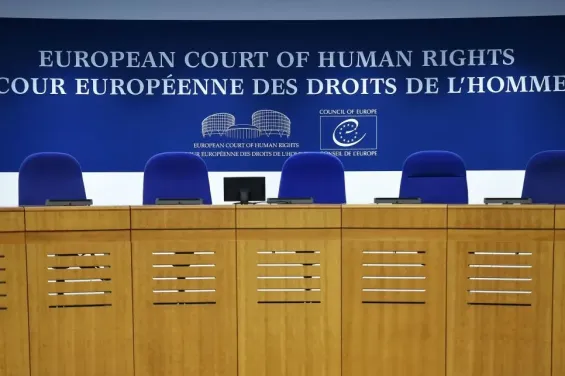
The European Court of Human Rights has upheld Spain’s approach to combating international terrorism, ruling unanimously that protecting national security and preventing jihadist radicalization constitute sufficient grounds to expel a foreign national from the country, even in the absence of a criminal conviction.
The court held that the right to private and family life cannot serve as a shield against state measures when there are strong indications of involvement in terrorist activities.
The ruling concerns a Moroccan national who had been living in Spain since 2006 and whom intelligence services classified in 2019 as part of a network recruiting and attracting members for ISIS in Madrid. According to security reports, he was not merely a sympathizer of the group, but played a role in sending radicalized young men to battlefronts in Syria and Iraq.
The defense relied on Article 8 of the European Convention on Human Rights, arguing that the expulsion order and the 10-year ban on entering Spain infringed upon the family life of the Moroccan national, who has a wife and two daughters born in Spain. However, the European court stressed that the right to family life does not grant immunity from state decisions related to public security and counterterrorism.
The ruling affirmed that the security reports used by the Spanish authorities were precise and well-founded, despite the absence of criminal proceedings or a final judicial conviction. The court considered that the use of administrative procedures remains a lawful and proportionate means of neutralizing potential threats before serious harm occurs.
The court also found that the man’s integration into Spanish society had remained limited, both in terms of employment stability and social ties, concluding that arguments based on «stability» and «integration» were insufficient to overturn the expulsion order.
As for the family situation, the court considered that the wife and two daughters would be able to adapt to life in Morocco without major difficulties, particularly given the existence of family and social ties there. It concluded that the Spanish authorities had struck a fair balance between protecting individual rights and fulfilling their duty to safeguard public security.





 Fil Info