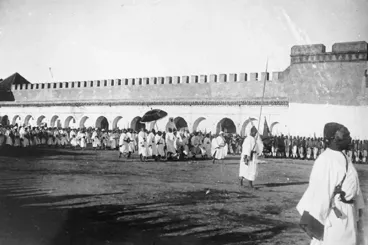
Long before television broadcasts, Morocco’s royal Eid al-Adha procession became the setting for a historic first. In 1901, Sultan Moulay Abdelaziz authorized photographers to publicly document the celebrations.
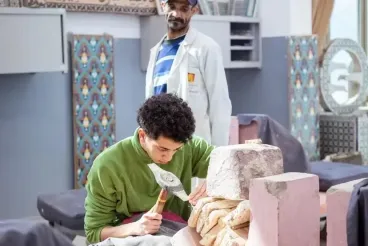
In the heart of Marrakech, Abdelouadoud Manhir, a civil engineering graduate, defies traditional career paths by immersing himself in the ancient art of zellige, blending education with craftsmanship to breathe new life into this fading heritage. His journey, marked by innovation and a deep respect for tradition, challenges stereotypes and highlights the vital role of education in preserving and evolving Morocco's artisanal legacy.
As Eid approaches, social media has been flooded with posts about «Hak Lmalh», presented as an old Moroccan tradition in which a husband gifts his wife gold after Ramadan. But how much truth is there behind this viral tradition?
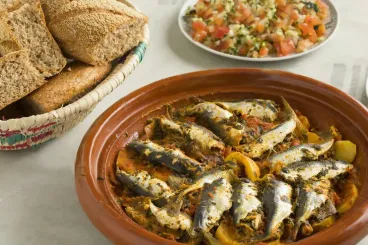
Fish is a beloved staple of Ramadan iftar in Morocco, often appearing as a simple but flavorful dish prepared with chermoula, especially in the form of sardines. The tradition runs deep, so much so that similar fish recipes already appear in medieval Moroccan cookbooks.
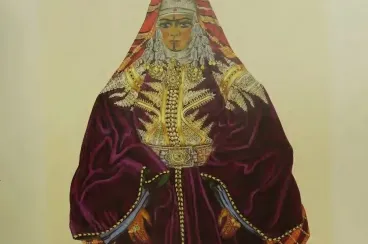
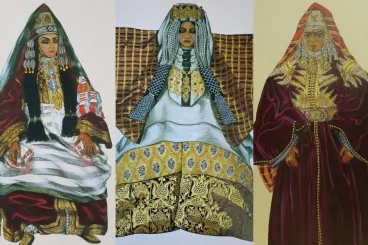
Among Morocco’s cultural centers shaped by Andalusian heritage, Tetouan is renowned for its distinctive interpretation of the caftan. At the crossroads of local traditions and regional influences, it reflects the region’s craftsmanship and refinement, infused with the elegance of the Nasrid courts. Over time, this style has had a broader influence, notably blending with clothing traditions in Oujda.
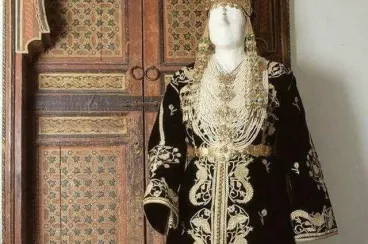
In Fez, the caftan stands as a symbol of Morocco's rich textile heritage, blending Andalusian influences with local craftsmanship to create garments of exquisite luxury and cultural significance. Fashion designer Aziza Belkhayat champions the preservation of this tradition, ensuring that the artistry of the Fez caftan continues to thrive amidst modern innovations.
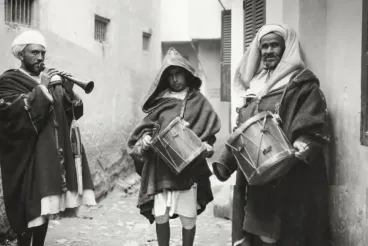
For centuries, the neffar has roamed Moroccan streets before dawn during Ramadan, sounding his trumpet to wake people for suhoor, a tradition that continues, though now fading. Rooted in history and folklore, his role stretches from Marinid Fez to Saadian Marrakech and remains a symbolic echo of a time when faith, not alarm clocks, marked the hour.
Once a staple of urban attire, the Moroccan caftan is now worn on all special occasions. Recognizable by its long cut, intricate embroidery, refined fabric, and golden belt, this garment has evolved from the 11th and 12th centuries to the present day, earning its place on the high-fashion runway. Telling a story in motion, it has become a cherished fashion piece for religious celebrations, Ramadan evenings, or family gatherings.
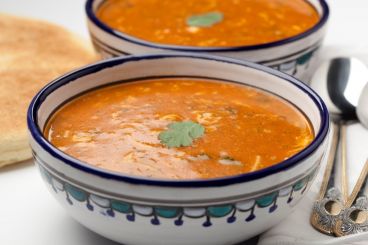
As the sacred month of Ramadan commences, Moroccan households are filled with the aroma of harira, a beloved soup that has become synonymous with breaking the fast. This rich and hearty dish, steeped in history and tradition, varies across regions and families, yet remains a cornerstone of Morocco's culinary heritage.
 Les articles les plus...









 chargement...